Introduction: Understanding the Power of Games
Games have been an integral part of human civilization for thousands of years. From traditional board games to complex digital experiences, games entertain, educate, and connect people across generations. They offer a structured way to challenge our minds, test our skills, and explore creativity. In modern times, games have evolved far beyond simple pastimes—they have become cultural phenomena, technological showcases, social platforms, and even professional careers. This blog explores the evolution of games, their impact on society, technology, education, and why they continue to captivate millions worldwide.
The Evolution of Games: From Ancient Pastimes to Digital Worlds
Games have existed since the earliest civilizations. Ancient societies created board games and physical competitions to entertain and teach strategic thinking. Chess, backgammon, and other classic games challenged intellect and foresight, while sports like running, wrestling, and archery tested physical prowess. Games were a way to socialize, compete, and learn, reflecting the culture and values of their time.
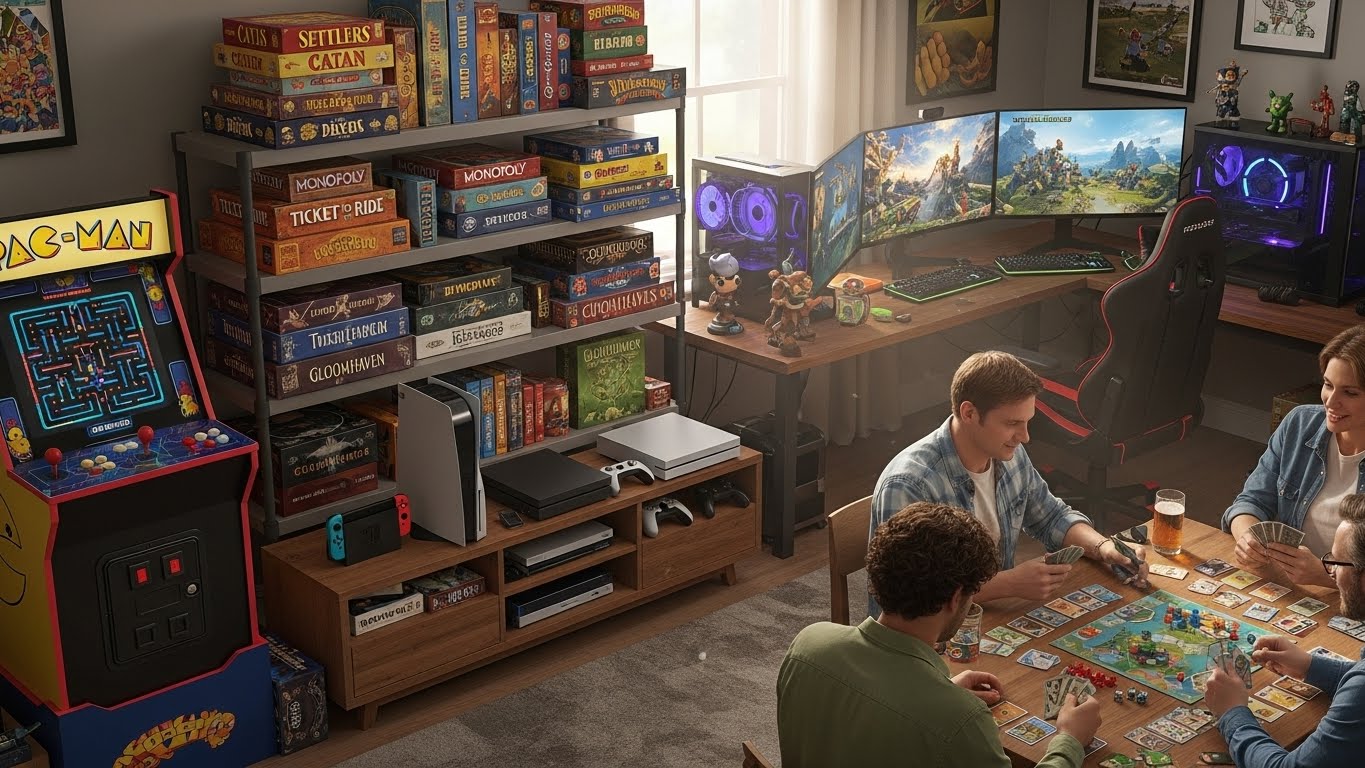
With the invention of electronic technology, games entered a new era. Early video games like Pong and Space Invaders introduced interactive digital play. The rise of home consoles, personal computers, and handheld devices brought gaming into households worldwide. Today, games include highly sophisticated graphics, immersive storytelling, online multiplayer modes, and interactive experiences that were unimaginable even two decades ago. The journey from simple boards and cards to virtual worlds highlights the remarkable evolution of gaming.
The Appeal of Games: Why We Play
Games engage humans in ways few other activities can. They stimulate problem-solving, strategic thinking, creativity, and even emotional intelligence. Playing games provides a sense of achievement, satisfaction, and mastery, which triggers positive feedback in the brain.
Games also offer an escape from reality. Immersive experiences in video games or fantasy role-playing games allow players to explore worlds far beyond their daily lives. This sense of exploration, adventure, and challenge makes gaming a compelling pastime for people of all ages. The combination of entertainment, skill development, and personal growth is what makes games universally appealing.
Board Games and Traditional Games: The Roots of Play
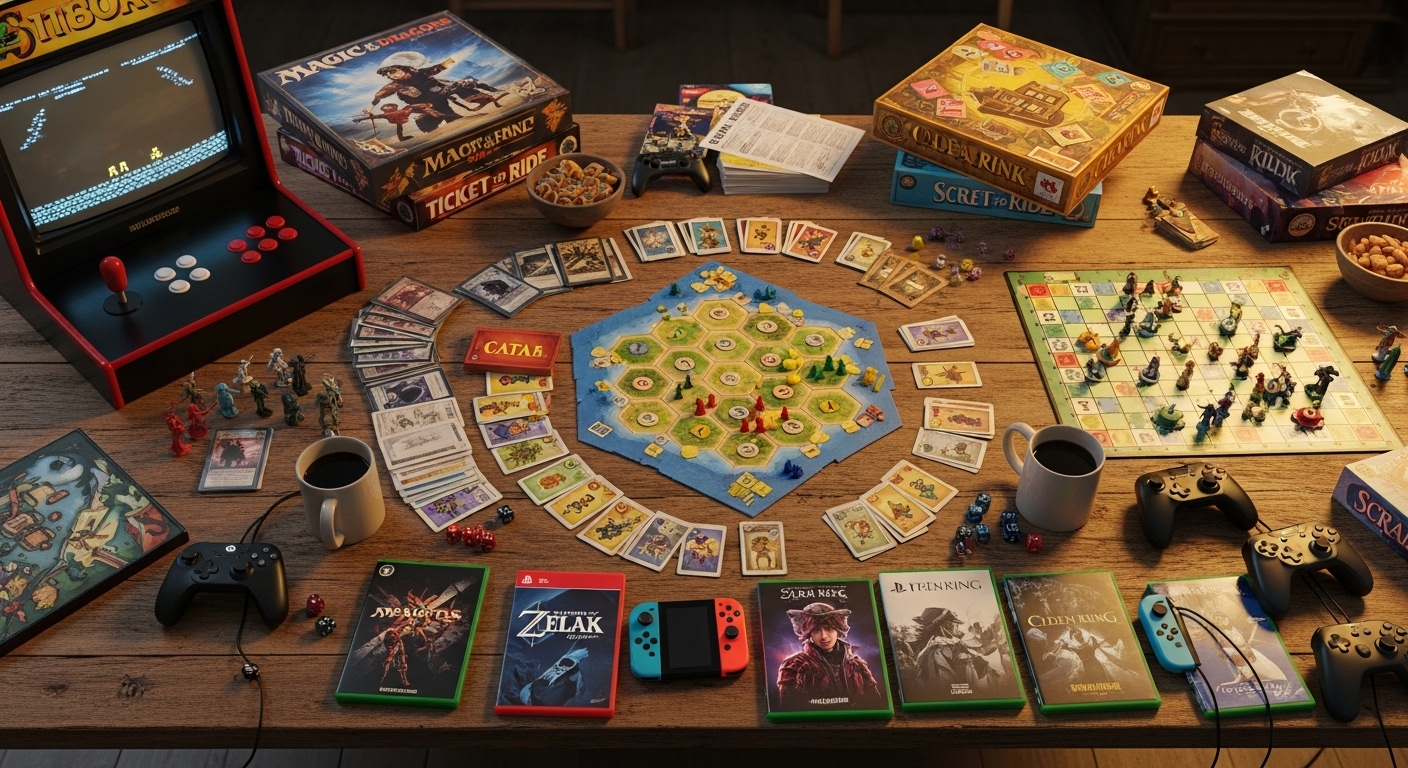
Even in the digital age, traditional games continue to thrive. Chess, checkers, Monopoly, and Scrabble challenge the mind, encourage strategic thinking, and foster social interaction. Traditional games are often played in social settings, strengthening relationships and building teamwork.
Sports like soccer, basketball, and cricket combine physical activity with strategy and skill, demonstrating that games have always been a way to test both the mind and the body. Traditional games laid the foundation for modern entertainment, teaching critical thinking, patience, and sportsmanship. Their simplicity and timelessness make them enduring classics.
Video Games: Immersion and Interactivity
Video games have become one of the most influential forms of entertainment. They combine storytelling, visual art, music, and interactivity to create experiences that are both engaging and emotionally resonant. Players do not just observe; they actively participate, making choices that affect outcomes, explore vast digital worlds, and solve complex challenges.
Genres like action, strategy, role-playing, simulation, and puzzle games cater to diverse preferences. Open-world games encourage exploration, while competitive games test reflexes, teamwork, and decision-making. Video games are also increasingly used for education and training, demonstrating their versatility beyond entertainment.
The Rise of Online Gaming and Multiplayer Communities
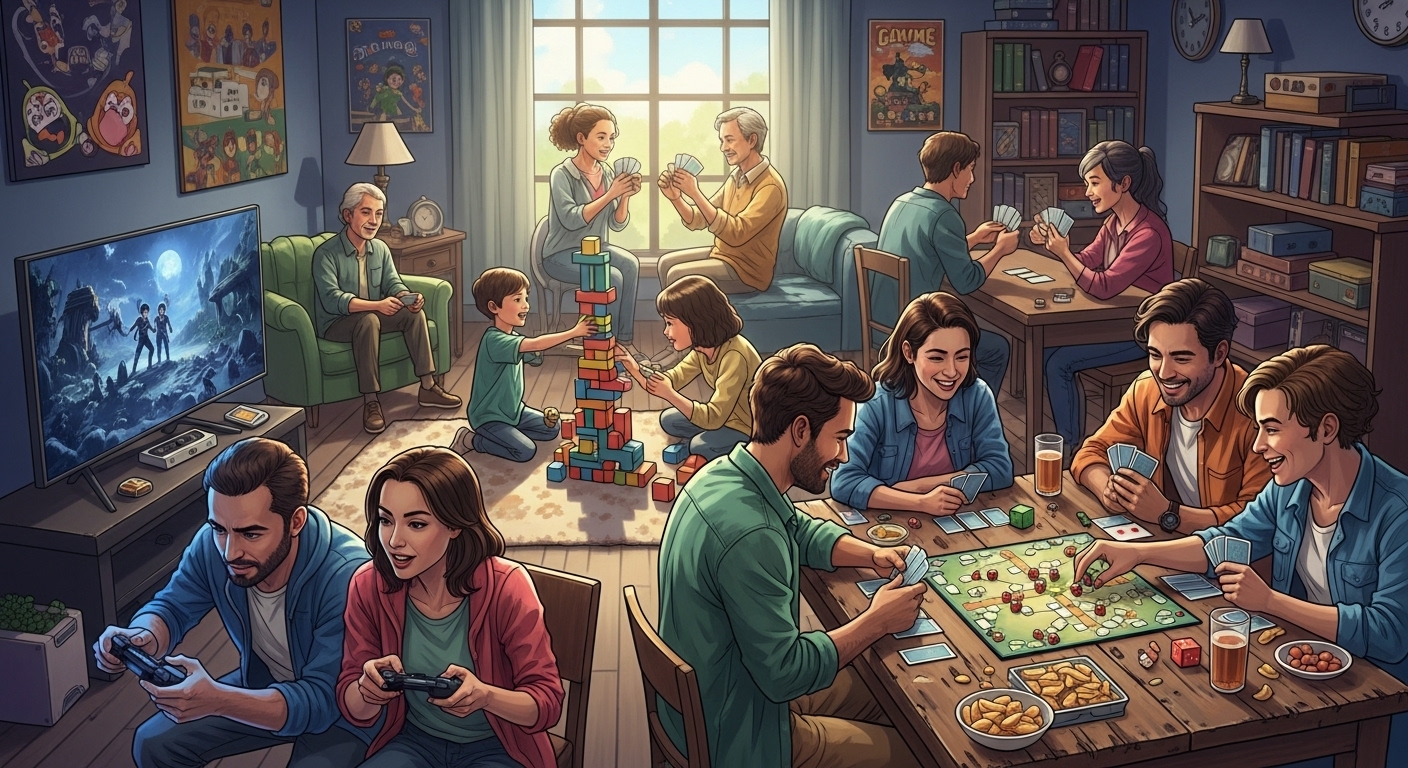
Online gaming has transformed the way people interact with games. Multiplayer modes allow players to connect with friends and strangers across the globe, fostering collaboration and competition. Virtual communities have emerged around games, where players share strategies, create content, and build lasting friendships.
Online gaming emphasizes teamwork, leadership, communication, and adaptability. It allows players to participate in global events, tournaments, and collaborative projects, creating a sense of belonging and engagement. Multiplayer gaming has made games a social experience, extending their impact beyond solitary play.
Esports: Gaming as a Profession
Esports has revolutionized the perception of gaming. Competitive gaming tournaments now attract millions of viewers worldwide, offering significant prize money and sponsorships. Professional players dedicate hours to practice, strategy, and teamwork, demonstrating that gaming requires discipline, focus, and skill.
Esports has created diverse career opportunities beyond playing. Coaches, analysts, commentators, streamers, and event organizers contribute to a growing industry. Esports highlights that gaming is more than a pastime—it is a serious, competitive, and professional endeavor that demands intelligence, coordination, and dedication.
The Role of Technology in Modern Games
The advancement of technology drives the evolution of gaming. Graphics engines create realistic worlds, physics engines simulate natural interactions, and artificial intelligence enhances gameplay by adapting to player choices.
Virtual reality and augmented reality offer immersive experiences, making players feel physically present in digital worlds. Cloud gaming allows access to high-quality games without expensive hardware, expanding the audience globally. Technology has not only enhanced the visual and interactive aspects of games but has also made them more inclusive and accessible.
Gaming and Education
Games are powerful educational tools. Educational games teach coding, mathematics, problem-solving, history, and language skills in engaging ways. Simulation games allow players to experience real-world scenarios, developing practical knowledge and decision-making abilities.
Gamification, the incorporation of game elements into learning, motivates students, increases engagement, and enhances knowledge retention. Games provide experiential learning, helping learners understand complex concepts through practice and interaction. They demonstrate that play and education are not mutually exclusive but can complement each other.
Mental and Cognitive Benefits of Gaming
Research shows that gaming can improve cognitive skills such as memory, attention, spatial reasoning, and problem-solving. Strategy and puzzle games develop critical thinking, while action games enhance reflexes and coordination. Multiplayer games teach collaboration, communication, and conflict resolution.
Gaming also provides emotional benefits. It offers stress relief, relaxation, and a sense of accomplishment. Immersive experiences and narrative-driven games can evoke empathy, emotional understanding, and moral reasoning. When enjoyed responsibly, gaming contributes positively to mental and cognitive development.
The Creative Aspect of Games
Games are inherently creative. Many games allow players to design characters, build worlds, create stories, or modify gameplay through custom content. Sandbox and simulation games encourage experimentation, imagination, and innovation.
Game development itself is a collaborative art form, combining programming, art, music, storytelling, and design. Players and creators together form a creative ecosystem, making gaming a platform for both consumption and creation. The creative potential of games inspires innovation and expression in unique ways.
Mobile Gaming: Entertainment on the Go
Mobile gaming has made games more accessible than ever. Smartphones allow players to enjoy games anytime and anywhere, from short casual games to complex multiplayer experiences. Mobile gaming has reached a diverse audience, including casual players who may not own consoles or computers.
Social features, in-app challenges, and multiplayer capabilities make mobile gaming interactive and engaging. Mobile games have become a major part of daily entertainment, proving that games can adapt to lifestyle and technology trends while remaining fun and challenging.
The Future of Gaming
The future of gaming promises even more innovation and immersion. Virtual reality, augmented reality, artificial intelligence, and cloud technology will create experiences that are more interactive, realistic, and personalized. Games will continue to evolve as social platforms, educational tools, creative outlets, and professional arenas.
The boundaries between gaming and other forms of entertainment, such as movies, music, and sports, are likely to blur. Interactive storytelling, gamified experiences, and cross-platform play will further enhance engagement and community building. The future of games is dynamic, inclusive, and endlessly imaginative.
Conclusion: Games as a Universal Human Experience
Games have evolved from simple pastimes into a cultural, social, and technological force. They entertain, educate, and connect people across the world. Whether through traditional board games, immersive video games, competitive esports, or mobile apps, games continue to inspire creativity, develop skills, and foster human connection.
Games are more than entertainment—they are a reflection of human ingenuity, imagination, and social interaction. As technology advances and global communities expand, games will remain an essential part of modern life, shaping culture, inspiring innovation, and providing joy for generations to come.