Games are far more than a simple pastime; they are a universal form of expression, entertainment, and learning. From ancient board games to modern virtual worlds, games have been integral to human society. They challenge the mind, nurture creativity, foster social connections, and have even transformed into professional careers. In this blog, we will explore the evolution of games, their cultural and social significance, cognitive benefits, the rise of competitive gaming, technological innovations, and the future of gaming in our lives.
The Evolution of Games
Games have been part of human civilization for thousands of years. Archaeological evidence shows that early societies created games to entertain, educate, and simulate real-world strategies. Games like Senet in Egypt, Mancala in Africa, and Go in China were not only fun but also tools to develop strategic thinking and decision-making. Over centuries, games evolved alongside society, reflecting the culture, values, and knowledge of the times.
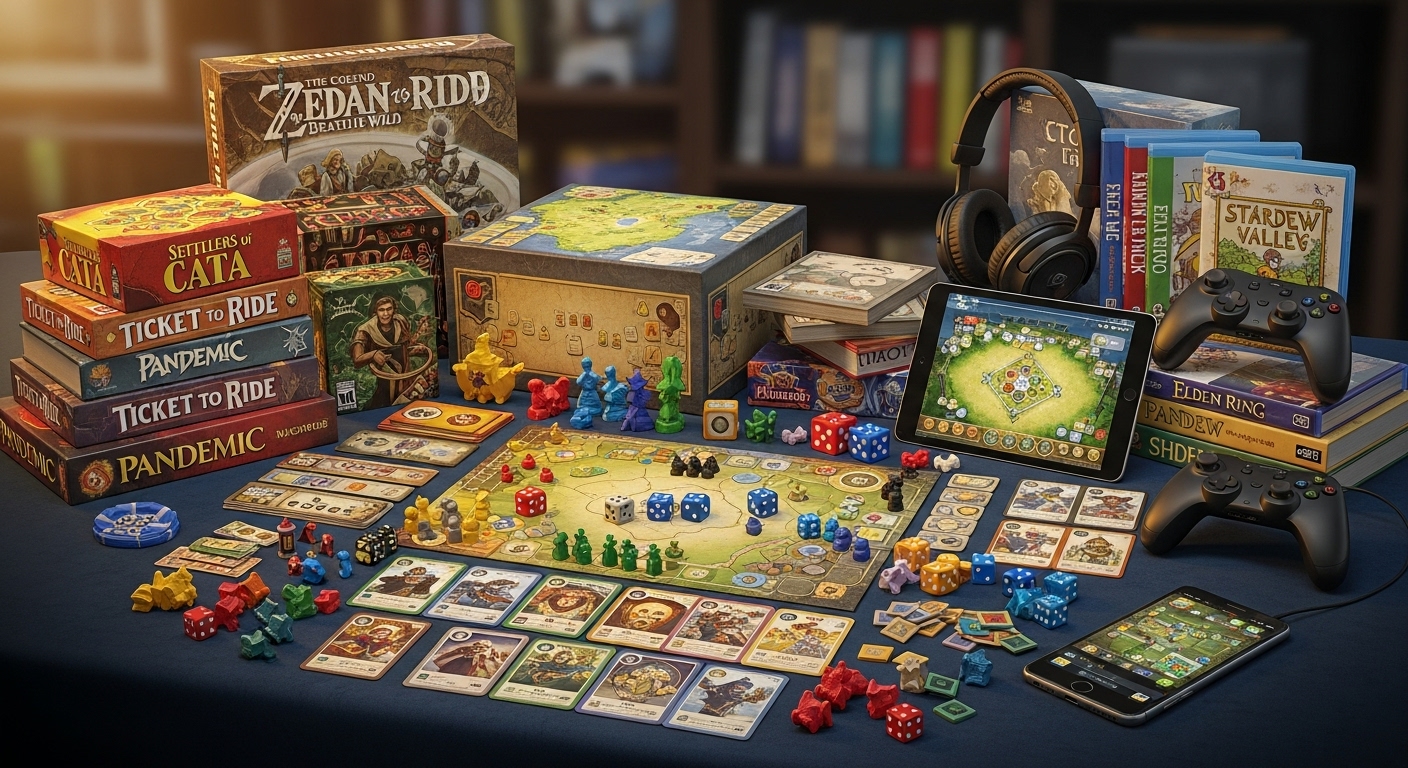
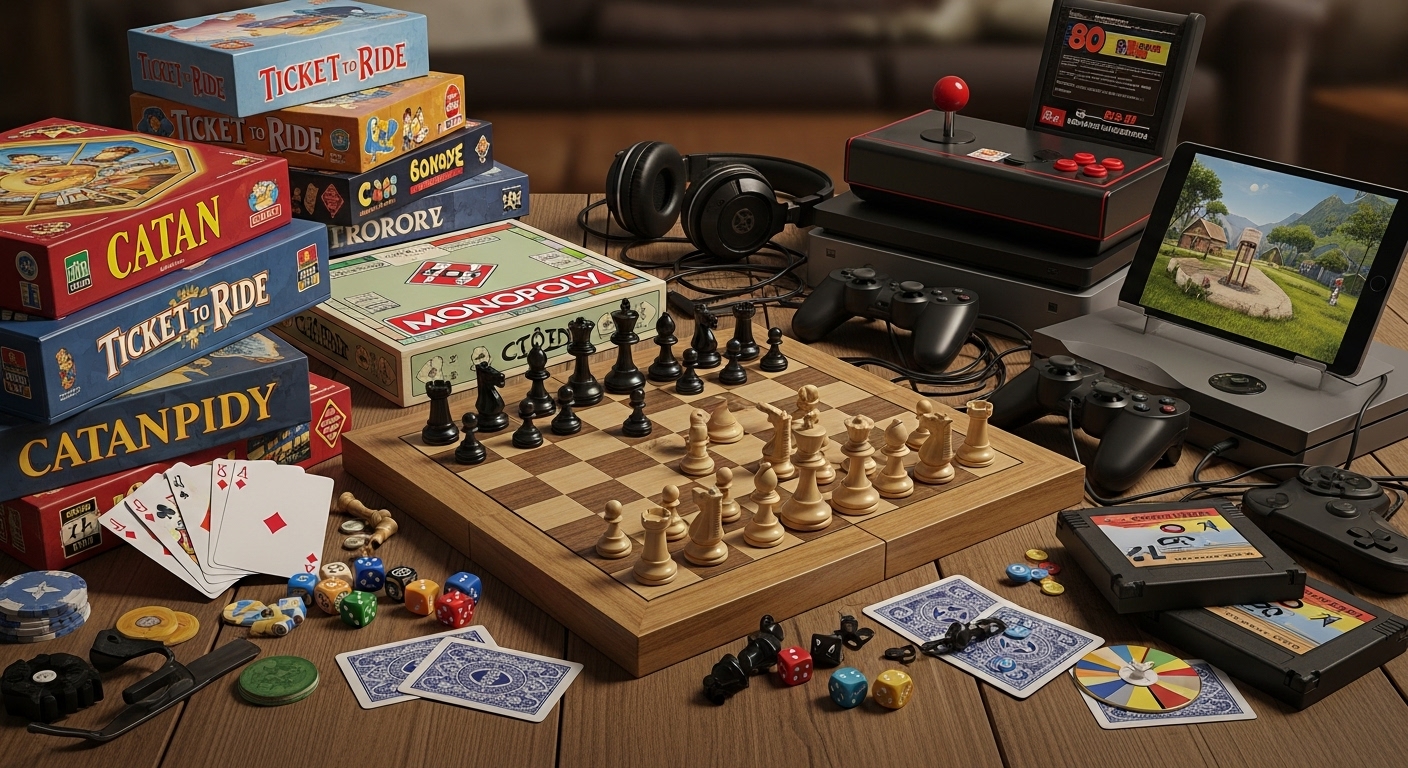
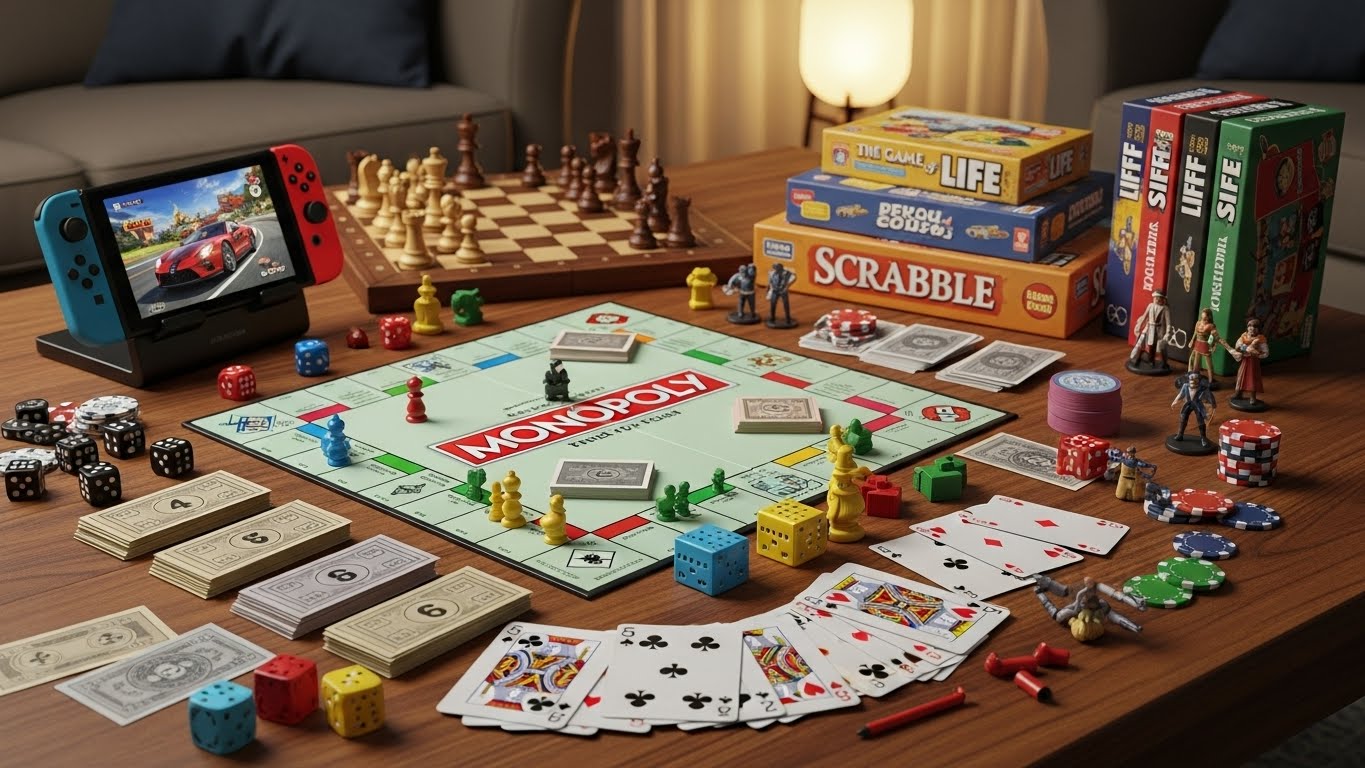
With the industrial revolution and the rise of mass-produced toys, board games became widely popular. Monopoly, Scrabble, and chess reached households around the world, providing both leisure and mental exercise. The 20th century saw a groundbreaking shift with the invention of video games. Early arcade titles such as Pong and Space Invaders captivated audiences with interactive experiences, marking the beginning of a new era in entertainment. Home consoles and personal computers later expanded the gaming audience, making games accessible to millions.
Games as a Reflection of Culture
Games have always mirrored the societies in which they are created. Themes, narratives, and characters often reflect cultural values, historical events, and societal challenges. For example, mythology-inspired games allow players to explore stories passed down through generations, while historical strategy games recreate significant events in engaging ways.
Popular characters in games have become cultural icons. Mario, Master Chief, and Lara Croft transcend their respective games to influence movies, fashion, and even art. These characters and narratives are not just entertainment; they serve as cultural touchstones, shaping how generations perceive storytelling, heroism, and imagination.
The Social Significance of Games
Games are powerful tools for social connection. Multiplayer and online games allow players to interact across countries and continents, creating communities around shared interests. Games foster teamwork, communication, and leadership skills as players collaborate to achieve objectives or compete in friendly rivalry.
Even offline games strengthen bonds. Families gather around board games, friends compete in card games, and communities host tournaments. These experiences create shared memories and develop social skills that extend beyond the game itself. In this sense, games are more than entertainment—they are a medium for building relationships and cultivating social interaction.
Cognitive and Psychological Benefits of Gaming
Games provide more than fun; they are tools for cognitive development. Strategy and puzzle games enhance problem-solving skills, logical reasoning, and memory retention. Role-playing games encourage creativity and imagination by allowing players to craft unique stories, develop characters, and explore fictional worlds.
Beyond cognitive benefits, games have psychological advantages. They offer a sense of accomplishment, which boosts confidence and motivation. Engaging gameplay provides a temporary escape from stress, giving players a safe environment to relax and recharge. Cooperative games promote empathy and perspective-taking, as players must consider the needs and strategies of teammates. When approached responsibly, gaming can have a positive impact on mental health and personal growth.
The Rise of Competitive Gaming
Competitive gaming, also known as esports, has transformed games from leisure activities into professional careers. What began as informal tournaments among friends has grown into a global industry with millions of fans, professional teams, and substantial prize pools. Games like League of Legends, Dota 2, and Counter-Strike: Global Offensive are played at international events, broadcasted to audiences worldwide, and celebrated with the enthusiasm usually reserved for traditional sports.
Esports has created new career opportunities for players, coaches, commentators, analysts, and content creators. Universities and schools are even offering scholarships for esports athletes, recognizing the skill, discipline, and strategy required. The rise of esports demonstrates that games are not only a form of entertainment but also a professional and competitive discipline with global influence.
Technological Innovations in Gaming
Technology has always driven the evolution of games. Early video games relied on simple graphics and limited interactivity, but today, games push the boundaries of realism and immersion. Modern hardware, high-speed internet, and advanced graphics engines allow players to explore detailed virtual worlds with lifelike visuals and complex mechanics.
Virtual reality (VR) and augmented reality (AR) have introduced entirely new forms of gameplay, immersing players in worlds that feel tangible and interactive. Artificial intelligence enhances non-player character behavior, creating adaptive and unpredictable challenges. Cloud gaming allows users to play high-end games without expensive hardware, making gaming more accessible to a wider audience. These technological advancements continue to shape the future of gaming, providing ever more engaging and dynamic experiences.
Games as Learning Tools
Games are powerful tools for education and skill development. Educational games teach subjects ranging from mathematics and science to history and language through engaging gameplay. Simulation games allow players to practice real-world skills in a safe environment, from managing businesses to piloting aircraft.
Even games not explicitly designed for education can teach valuable life skills. Strategy and role-playing games encourage planning, problem-solving, and resource management. Multiplayer games teach collaboration and conflict resolution. By combining entertainment with learning, games offer a unique and effective way to acquire knowledge while having fun.
Creativity and Imagination Through Games
Games are an incubator for creativity. Sandbox games such as Minecraft and Roblox let players construct entire worlds, design structures, and invent new ways to interact with the environment. Story-driven games challenge players to develop narratives, make ethical choices, and explore alternative outcomes.
The game development process itself is highly creative, requiring writers, artists, designers, and programmers to collaborate in building immersive experiences. Games inspire artistic expression beyond the medium, influencing music, film, animation, and digital art. Through creation and play, games encourage innovation, imagination, and exploration.
The Future of Gaming
The future of gaming promises even more innovation and inclusivity. Advancements in VR, AR, artificial intelligence, and cloud technology will create more immersive, personalized, and interactive experiences. Cross-platform gaming will continue to break down barriers, allowing players to connect seamlessly across devices.
Social and virtual spaces in games may become even more integrated into daily life, serving as platforms for work, education, and collaboration alongside entertainment. Ethical and inclusive game design will shape the industry, ensuring accessibility for all players while promoting positive and responsible experiences. The trajectory of gaming suggests that it will continue to expand its role in culture, learning, and social interaction for decades to come.
Conclusion
Games have evolved from simple leisure activities to complex experiences that influence culture, technology, and human connection. They entertain, educate, inspire, and challenge players, offering cognitive, social, and emotional benefits. Competitive gaming has transformed play into professional careers, while technological innovations have made immersive, interactive experiences more accessible than ever.
Games reflect the world around us while allowing us to explore new possibilities. They teach, inspire, and connect people across generations and cultures. Far beyond mere amusement, games have become an essential part of modern life, shaping how we think, create, and interact. As the gaming industry continues to evolve, it is clear that games are not just a form of play—they are a powerful force that enriches lives and transforms society.