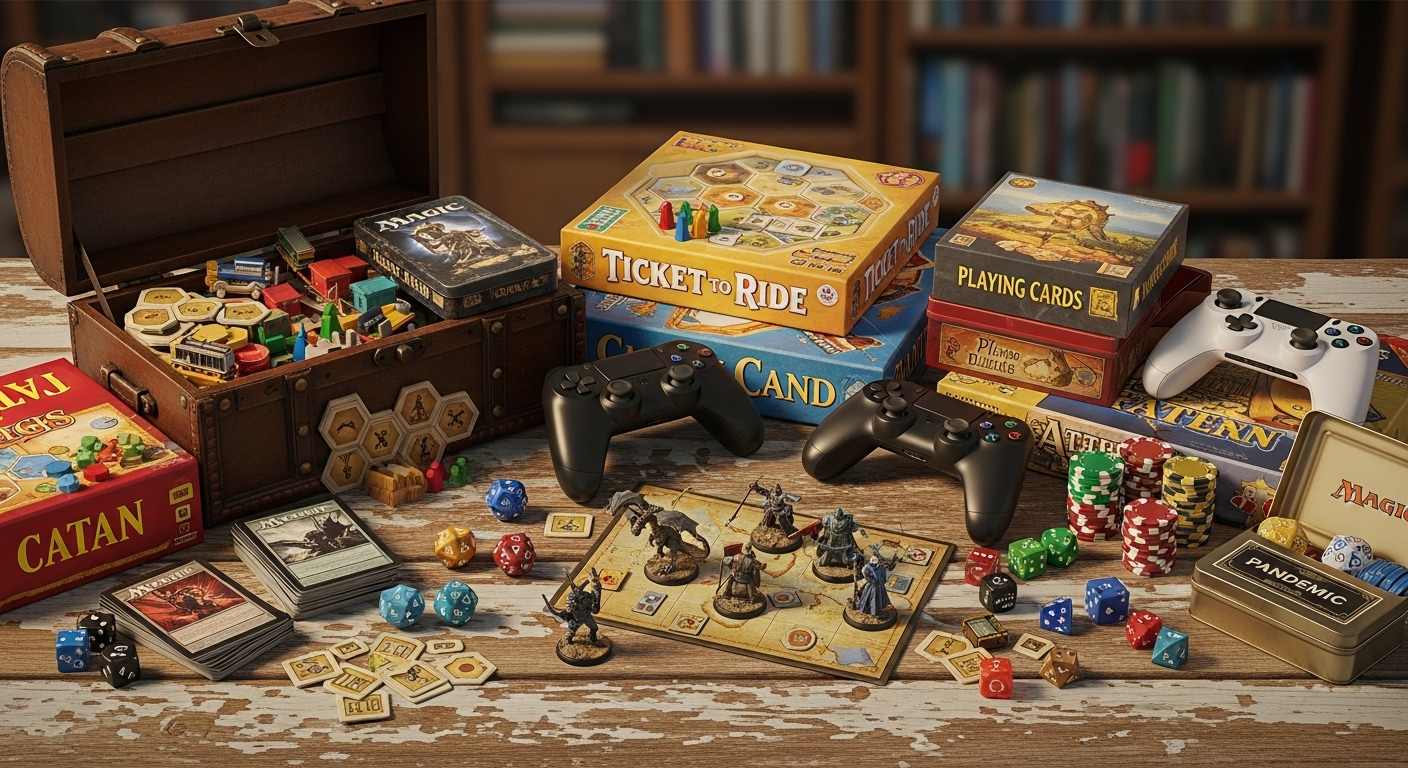

Games have been a cornerstone of human culture for centuries. From ancient board games played in Mesopotamia to the complex video games of today, the desire to engage, challenge, and entertain ourselves has remained constant. While many games follow familiar patterns, some stand out for their uniqueness, offering experiences that stretch the imagination, redefine gameplay, and leave players thinking long after the game is over. In this article, we explore games that have achieved this rare distinction, delving into what makes them extraordinary and why they continue to captivate audiences worldwide.
Redefining Gameplay: What Makes a Game Unique?
Before diving into specific games, it’s essential to understand what sets unique games apart. Unlike mainstream titles that rely on established formulas for success, these games often experiment with mechanics, narrative structures, and player interaction. They challenge conventional expectations, sometimes blending genres in unexpected ways or offering entirely new forms of storytelling.
A unique game can achieve its distinction through innovative gameplay, emotional depth, or even its artistic style. In many cases, these games are not designed for mass appeal but instead aim to create a memorable and personal experience. They often reward curiosity and creativity, encouraging players to think differently about the role of games in entertainment and culture.
Journey Through Emotional Storytelling
One of the most powerful ways a game can stand out is through storytelling. Unlike movies or books, games allow players to become active participants in the narrative. Titles such as these immerse players in emotional experiences that are difficult to replicate in other mediums.
Consider games that explore profound human themes, such as loss, hope, or personal growth. These games often rely on minimalistic mechanics, emphasizing the story and atmosphere over complex gameplay systems. The player becomes an integral part of the story, and their choices can influence the outcome, creating a deeply personal connection. This interactivity allows for stories that are not just watched but lived.
Art as Gameplay
In many unique games, art and gameplay merge seamlessly to create experiences that are visually stunning and emotionally resonant. Some developers experiment with visual storytelling, using color, perspective, and design to guide the player’s emotions and decisions.
These games demonstrate that graphics are not merely decorative but integral to the experience. They turn each screen into a canvas and every interaction into a brushstroke, creating a living work of art that evolves as the player engages with it. The artistic vision of these games often leaves players with a lasting impression, proving that games can be appreciated not only as entertainment but also as a form of high art.
Breaking the Rules of Traditional Genres
Many unique games achieve their distinctiveness by defying traditional genre conventions. By blending mechanics from multiple genres or introducing entirely new systems, these games provide fresh challenges and unexpected moments of discovery.
For example, a game might combine puzzle-solving with survival elements or mix rhythm-based mechanics with exploration. This blending of genres creates a sense of novelty and unpredictability that keeps players engaged. It also challenges the industry to rethink what a game can be, expanding the boundaries of creativity and innovation.
The Power of Player Choice
One hallmark of unique games is the way they empower players to shape their own experiences. Unlike linear games with predetermined outcomes, these titles offer meaningful choices that influence the narrative, gameplay, or world itself.
Player agency transforms games into dynamic experiences. Decisions might affect relationships, alter the environment, or even change the ending of the story. This level of interactivity encourages players to think strategically, emotionally, and morally. It also fosters a deeper sense of ownership over the journey, as each playthrough can be a distinct story shaped by the individual.
Immersive Worlds That Captivate
World-building is another area where unique games excel. The most memorable games create immersive environments that feel alive, filled with intricate details, hidden secrets, and compelling lore. These worlds invite exploration and reward curiosity, encouraging players to spend hours discovering every nuance.
The richness of a game world often extends beyond its visual design. It includes the behaviors of non-player characters, the interactions between different systems, and the subtle ways the environment responds to player actions. This depth creates a sense of presence and realism, making players feel as though they are truly part of the game universe.
Multiplayer Innovation
While many unique games focus on single-player experiences, others innovate in multiplayer and cooperative gameplay. These games explore how players interact with one another, creating social experiences that are unpredictable and dynamic.
Some titles remove traditional competitive elements, instead encouraging collaboration, communication, or shared problem-solving. Others experiment with unconventional structures, such as asymmetrical gameplay or persistent worlds that evolve over time. These approaches redefine what multiplayer gaming can be, emphasizing creativity, strategy, and community over mere competition.
Examples of Games That Stand Out
Several games have gained recognition for their unique approaches. While mainstream titles dominate headlines, these innovative games demonstrate that creativity and risk-taking can lead to unforgettable experiences.
One such game is known for its minimalist design and emotionally evocative narrative. It engages players in quiet reflection, showing that less can be more when it comes to storytelling. Another example blends puzzle-solving with immersive exploration, requiring players to think laterally and observe their surroundings closely. In these games, mechanics and narrative intertwine, creating a cohesive and memorable journey.
There are also games that challenge conventional ideas of objectives and progression. Instead of providing clear goals, they encourage players to experiment, fail, and discover solutions organically. This freedom sparks creativity and transforms the act of playing into a form of self-expression.
The Role of Indie Developers
Indie developers have been instrumental in creating unique games. With fewer constraints from publishers and commercial pressures, independent studios often take risks that larger companies might avoid.
These developers embrace experimentation, producing titles that might focus on niche themes, unconventional mechanics, or personal storytelling. Their work proves that innovation is not limited to high budgets or massive marketing campaigns; passion, creativity, and vision can create experiences that resonate deeply with players.
Why Unique Games Matter
Unique games are more than just entertainment. They challenge the industry to evolve, inspire other developers, and expand our understanding of what games can achieve. They offer new ways to experience stories, interact with others, and engage our minds and emotions.
These games also remind us that play is not only about winning or achieving objectives. It can be a form of art, a means of self-expression, and a tool for empathy. By engaging with unique games, players gain access to experiences that are thought-provoking, memorable, and often transformative.
Conclusion: Embracing the Unconventional
Games that break the mold enrich the world of interactive entertainment. They encourage players to think creatively, experience emotions deeply, and see familiar mechanics in new ways. By exploring unique storytelling, artistic expression, and innovative gameplay, these titles redefine what games can be.
As the gaming industry continues to grow, the influence of unique games becomes increasingly significant. They challenge both developers and players to embrace experimentation, to value creativity, and to seek out experiences that linger long after the screen goes dark. In a world filled with familiar formulas, these games remind us that there is always room for imagination, innovation, and the extraordinary.
The next time you pick up a controller, enter a virtual world, or sit across a board from an opponent, consider exploring the unconventional. It is in these spaces, away from the ordinary, that games truly come alive and leave their lasting mark.