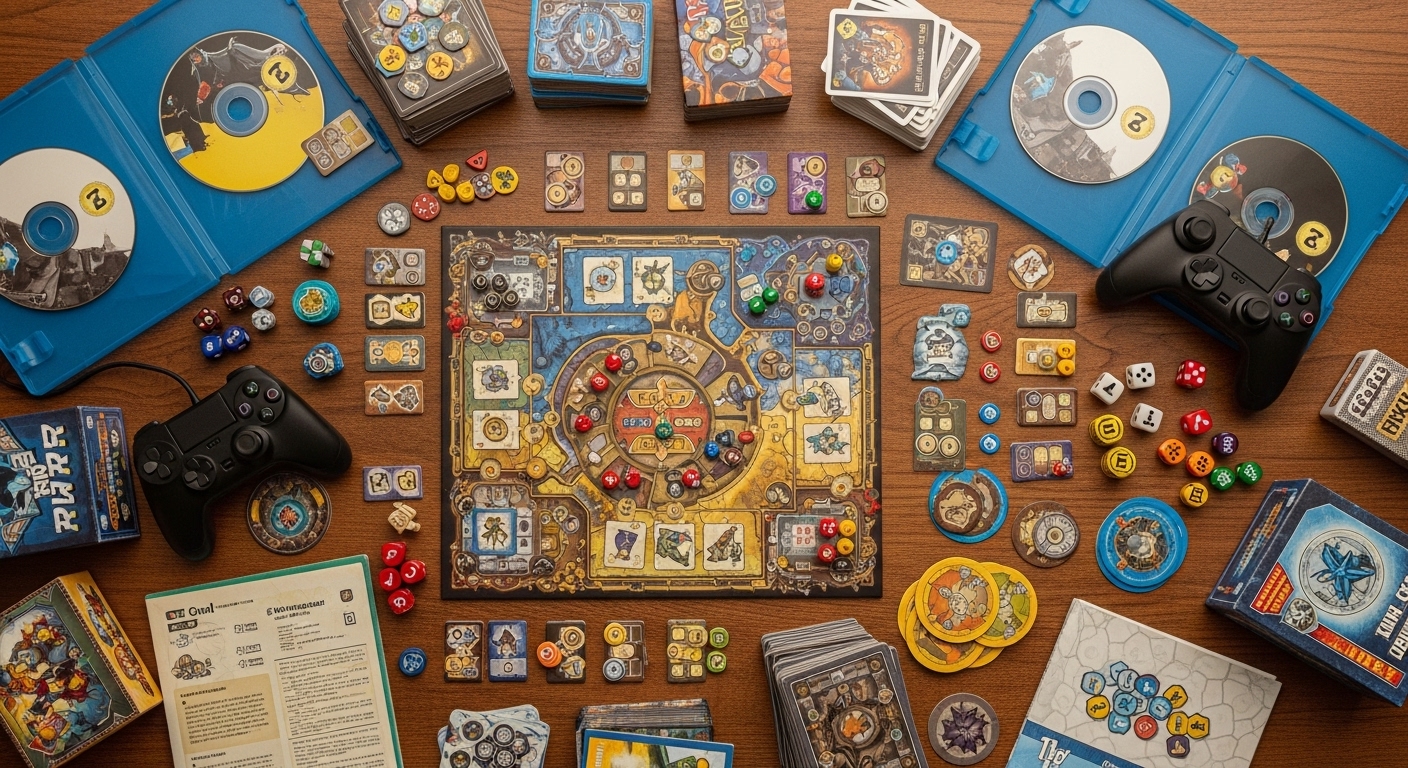
Introduction: The Universal Language of Games
Games have been an integral part of human civilization for centuries, transcending cultures, generations, and geographies. From ancient board games and outdoor sports to modern digital gaming, games serve as a reflection of human creativity, competition, and social connection. They entertain, educate, and challenge us, offering experiences that stimulate the mind and foster emotional resilience. Games are far more than a pastime—they are a medium through which people explore strategy, cooperation, and imagination.
The Evolution of Games
The history of games is as diverse as human civilization itself. Ancient societies played games that tested skill, strategy, and luck. Board games such as Senet in Egypt or Go in China were not only recreational but also reflected societal structures and values. As societies evolved, games became more complex and varied, encompassing outdoor sports, card games, and competitive tournaments.
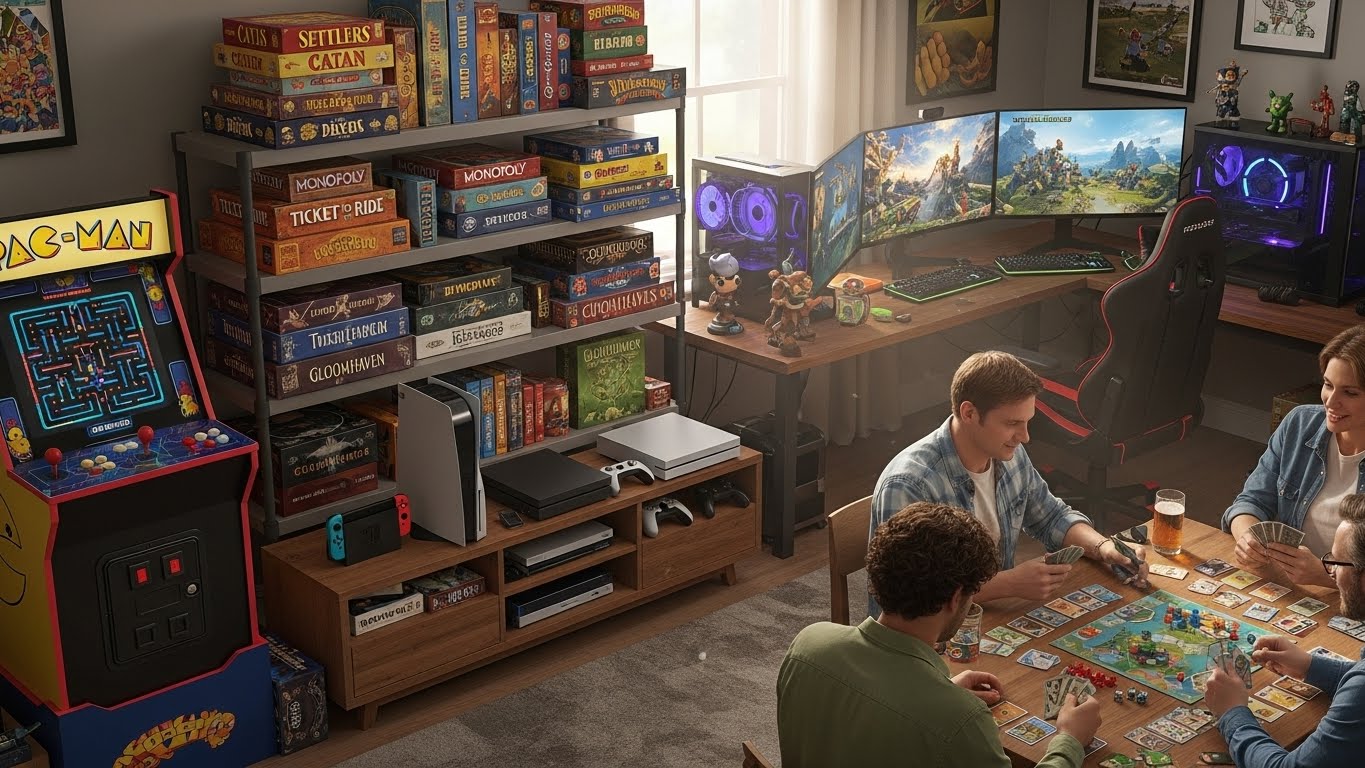
With the advent of technology, digital gaming emerged, transforming the way people interact with games. Video games, online multiplayer games, and mobile apps have created immersive experiences that go beyond traditional forms of play. This evolution illustrates humanity’s continuous pursuit of challenge, entertainment, and innovation through games.
Games as a Tool for Entertainment
At their core, games are designed to entertain. They provide a break from routine, offering players an opportunity to immerse themselves in alternate realities, problem-solving scenarios, and competitive challenges. Video games, in particular, offer a wide range of experiences, from storytelling-driven adventures to fast-paced action and strategic simulations.
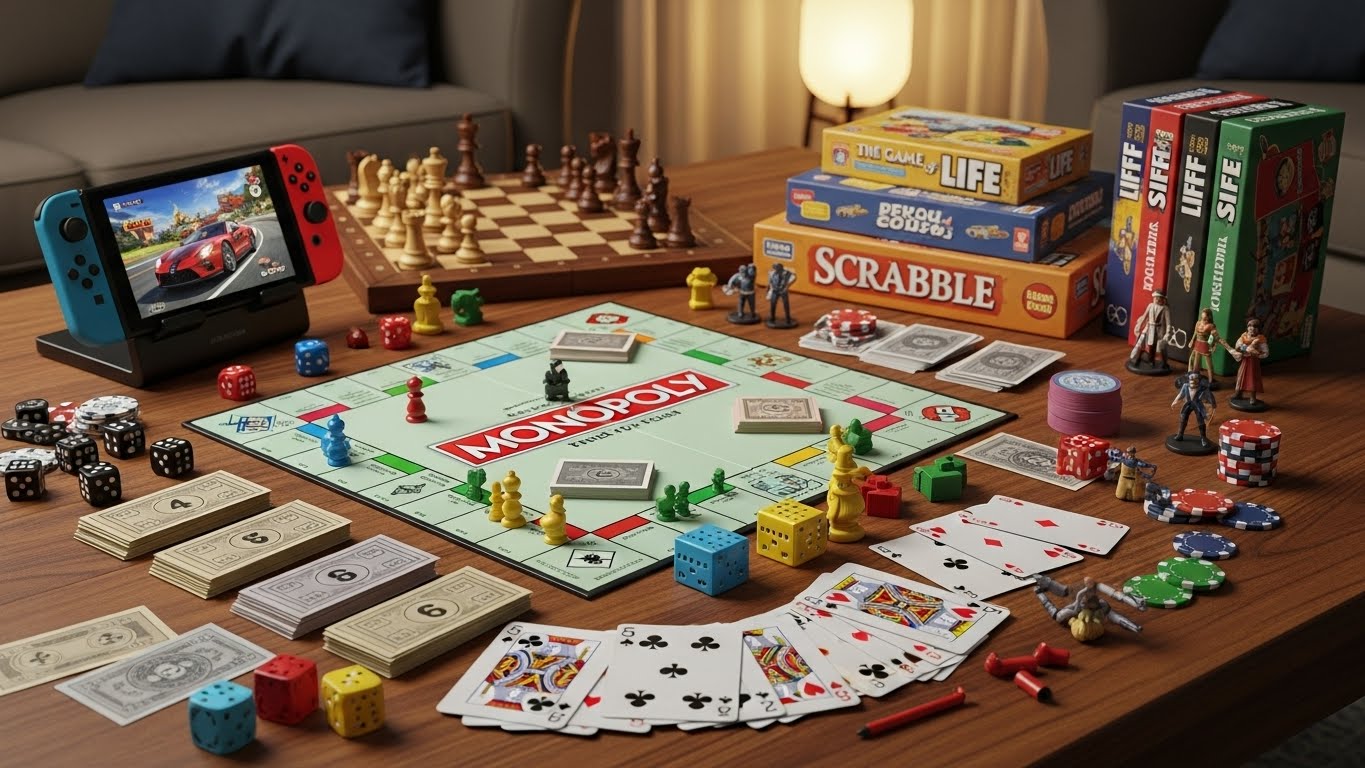
Board games, puzzles, and card games provide social entertainment, encouraging interaction and engagement. They foster laughter, friendly competition, and collaboration, creating shared memories among friends and families. Games, in all forms, enrich human experience by combining enjoyment with cognitive and social stimulation.
The Cognitive Benefits of Playing Games
Games are more than entertainment—they are tools for mental growth and development. Strategic games like chess, puzzles, and simulation games enhance critical thinking, problem-solving, and planning skills. Players learn to anticipate consequences, weigh options, and develop logical strategies to achieve objectives.
Action and reflex-based games improve hand-eye coordination, reaction time, and multitasking abilities. Even games that involve role-playing or narrative exploration strengthen memory, focus, and decision-making. Studies have shown that regular engagement in games can boost cognitive abilities, demonstrating that play has tangible mental benefits.
Social Interaction and Cooperation
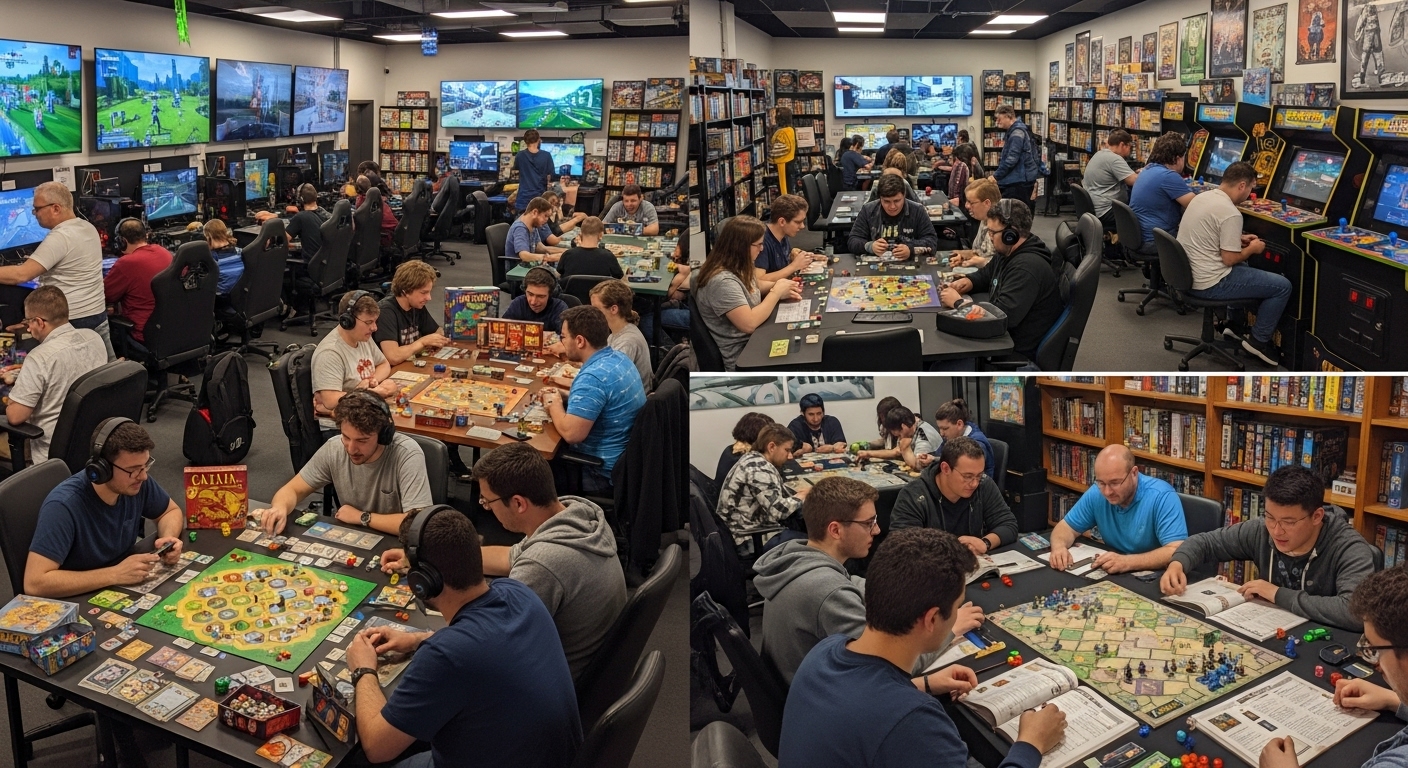
Many games, whether digital or traditional, require interaction and cooperation. Multiplayer video games, board games, and team sports foster communication, teamwork, and leadership skills. Players learn to strategize collectively, understand group dynamics, and support each other under competitive conditions.
Games also provide a sense of belonging and shared identity. Online communities, gaming clubs, and competitive leagues connect players with similar interests, creating global social networks. These interactions help break down barriers of geography, language, and culture, highlighting the universal appeal of games as a social medium.
Games and Emotional Growth
Games provide opportunities for emotional development. Winning and losing teach players how to cope with success and failure, building resilience and emotional intelligence. Competitive environments challenge individuals to handle pressure, adapt to changing situations, and maintain focus.
Role-playing and narrative-based games also encourage empathy. Players often experience perspectives different from their own, developing understanding and emotional awareness. These emotional benefits demonstrate that games contribute to personal growth and character development beyond their entertainment value.
Educational Value of Games
Games have long been recognized as powerful educational tools. They engage players in experiential learning, allowing them to practice skills, test hypotheses, and learn from consequences in a safe environment. Educational games promote literacy, numeracy, and critical thinking while making learning enjoyable and interactive.
Digital games often incorporate problem-solving, strategic planning, and adaptive learning. Simulations allow learners to explore real-world scenarios, from managing economies to navigating historical events. By blending education with play, games provide opportunities for deeper engagement, knowledge retention, and skill development.
The Economic Impact of the Gaming Industry
The gaming industry has grown into one of the largest entertainment sectors in the world. Video games, mobile applications, and online platforms generate billions in revenue annually. Professional gaming, tournaments, and streaming have created careers for players, developers, content creators, and event organizers.
This economic influence extends to hardware manufacturers, software developers, merchandising, and media production. Gaming conventions and tournaments attract tourism and contribute to local economies. The financial growth of the gaming industry illustrates that games are not just cultural artifacts but significant drivers of economic activity.
Technology and Innovation in Games
Technology has revolutionized how games are developed and experienced. Advanced graphics, virtual reality, augmented reality, and artificial intelligence have created immersive gaming experiences that were unimaginable decades ago. Players can now interact with lifelike environments, compete in global networks, and engage in dynamic storytelling.
Technological innovation also enhances accessibility. Mobile gaming, cloud-based platforms, and online multiplayer systems enable people from diverse backgrounds to participate in gaming experiences. This integration of technology ensures that games continue to evolve, offering new forms of entertainment and cognitive engagement.
Games as a Competitive Arena
Competitive gaming, or esports, represents the professionalization of games as a spectator sport. Players and teams compete in organized tournaments, with fans worldwide watching live broadcasts. Competitive games demand strategic thinking, precision, and teamwork, elevating games from casual pastimes to professional pursuits.
Esports also fosters community engagement, mentorship, and career development. Players develop discipline, resilience, and leadership skills, demonstrating that games can provide both personal growth and professional opportunities. The competitive dimension of gaming illustrates the diverse roles games play in society.
Cultural Significance of Games
Games reflect cultural values, social norms, and human creativity. They allow societies to express traditions, narratives, and social interactions in a playful form. Story-driven games convey cultural myths and historical contexts, while competitive games highlight social dynamics, skill, and strategy.
Gaming culture also fosters global connectivity. Players from different countries and backgrounds engage in shared experiences, transcending geographic and cultural boundaries. The cultural significance of games lies in their ability to entertain, educate, and connect people in ways that other mediums cannot.
Mental Health and Well-Being Benefits
Games offer mental health benefits when approached mindfully. Engaging in play can reduce stress, alleviate anxiety, and provide a sense of accomplishment. Strategy and problem-solving games stimulate cognitive function, while social and cooperative games foster belonging and social support.
Balanced gameplay can provide a healthy outlet for emotional expression, creativity, and relaxation. While excessive gaming may pose risks, moderated and purposeful play contributes to mental and emotional well-being.
The Future of Games
The future of games is dynamic and exciting. Advancements in technology, such as virtual reality, artificial intelligence, and cloud gaming, will continue to expand how people experience play. Games will increasingly merge entertainment, education, and social interaction, creating immersive and meaningful experiences.
As gaming communities grow, the cultural and economic impact of games will continue to expand. Games will remain a versatile tool for learning, socializing, and personal development, shaping the way people interact with entertainment and each other for generations to come.
Conclusion: Games as a Pillar of Human Experience
Games are far more than entertainment—they are a reflection of human creativity, strategy, and social connection. They stimulate the mind, foster emotional resilience, build social networks, and contribute to education and economic growth. From ancient board games to modern digital adventures, games have consistently provided platforms for learning, engagement, and community.
The evolution of games illustrates humanity’s desire for challenge, imagination, and collaboration. They are a universal language that unites people across cultures and generations. In the modern era, games are not merely a pastime—they are a central part of human experience, shaping entertainment, culture, and personal growth in profound ways.