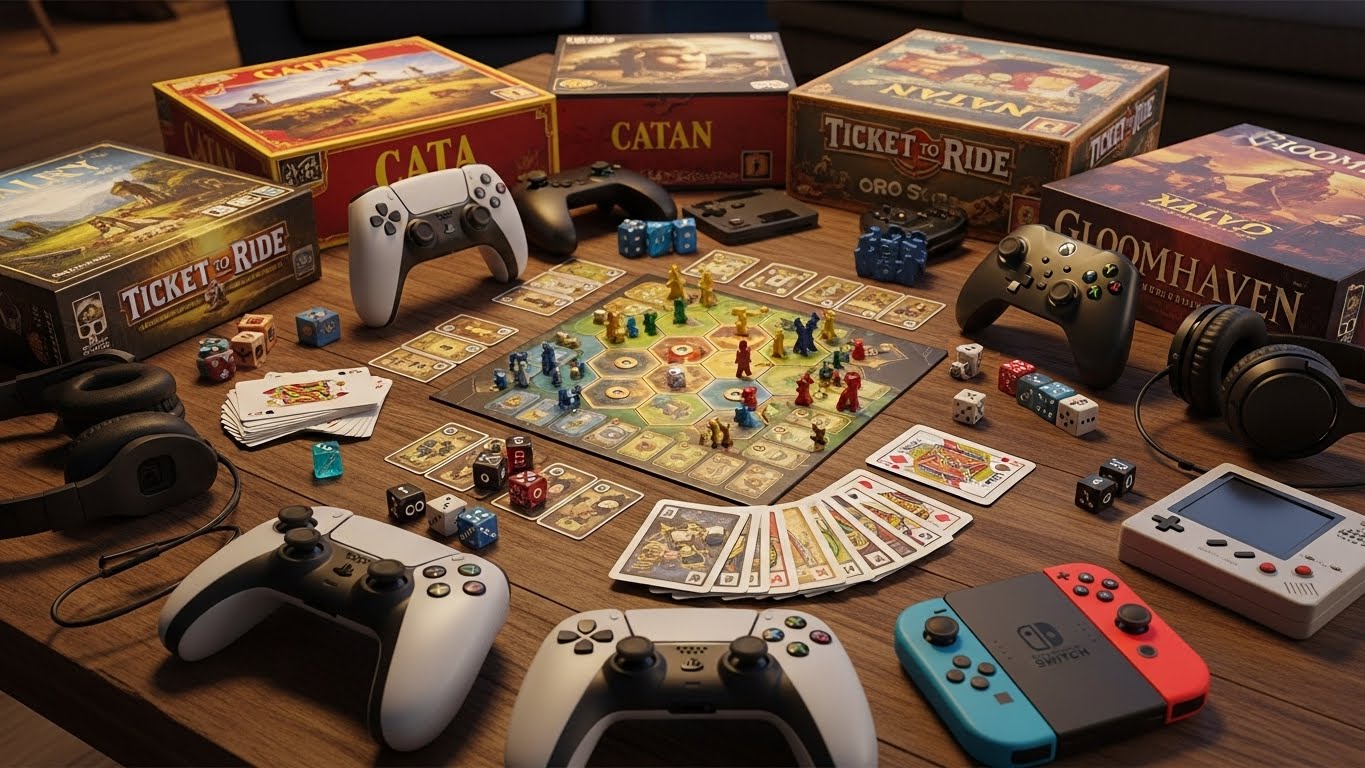

In the world of video games, the vast diversity of genres, art styles, and storytelling techniques constantly pushes the boundaries of what’s possible. While traditional genres like action, adventure, and sports will always have their place in the gaming universe, there’s a growing number of games that break away from the norm, offering something truly unique and extraordinary. These games defy expectations, offering innovative gameplay, unusual narratives, or original mechanics that make them stand out in the crowded gaming market. This blog post explores some of the most unique and unconventional games that have shaped the gaming industry and continue to inspire developers and players alike.
The Rise of Non-Traditional Gameplay
For decades, video games have followed certain formulas to ensure their success—platformers, first-person shooters, RPGs, and more. However, over time, the gaming industry has witnessed a shift toward games that challenge these conventions. Indie developers, in particular, have been at the forefront of this movement, creating games that embrace creativity and explore unconventional ideas.
A great example of this shift can be seen in games like “Journey” and “Flower” by Thatgamecompany. These titles prioritize emotion and experience over traditional game mechanics like combat or puzzles. In Journey, players take on the role of a robed traveler navigating a vast desert landscape. The game’s minimalist design, lack of combat, and focus on exploration and emotional connection create an experience that feels more like art than a traditional game.
Similarly, Flower asks players to control a petal as it floats through various environments, collecting other petals to form a vibrant bouquet. Both games are masterclasses in unique design choices, offering deeply emotional experiences without the usual game conventions of fighting, collecting, or leveling up.
The Art of Storytelling in Unique Games
Many of the most unique games stand out due to their innovative storytelling techniques. These games often tell stories in ways that traditional games never could, allowing players to experience the narrative from a fresh perspective.
“What Remains of Edith Finch” is an excellent example. This walking simulator explores the story of a family cursed with an unusual fate, where each family member’s death is told through a unique mini-game. As players explore the house of the Finch family, they are introduced to different family members’ stories, each presented in a different genre or format. Some are presented as a first-person narrative, while others take the form of platformers or even comic book-style sequences. This approach makes the experience feel like a collection of short stories tied together by one overarching theme of loss and memory.
Another innovative title that stands out in terms of storytelling is “The Stanley Parable.” The game subverts expectations by allowing the player to make choices that lead to multiple different outcomes, with the game’s narrator constantly commenting on the player’s decisions. The non-linear narrative and the player’s ability to explore different possibilities make this game a fascinating commentary on choice and free will in video games.
Games That Redefine Genre Boundaries
While many games are categorized into established genres, some games defy categorization altogether. These genre-defying titles blend elements from different types of games to create something entirely new. One such game is “Portal.” Combining physics puzzles with first-person shooter mechanics, Portal asks players to use a gun that creates portals to solve puzzles and traverse levels. The twist comes in the form of a darkly humorous narrative and an unforgettable character, GLaDOS, an AI that guides the player through the game.
The blending of genres continues in “Dead Cells,” a game that merges elements of Metroidvania with roguelike mechanics. Players explore procedurally generated levels, encountering new challenges each time they play, while also gaining permanent upgrades to make subsequent runs easier. The game’s combination of smooth, fast-paced combat with exploration and randomization creates a unique experience every time.
Even more experimental games like “The Sims” series challenge the very idea of what a game can be. Rather than focusing on combat or puzzles, The Sims offers a virtual sandbox where players create and control simulated people, managing their daily lives and relationships. The game’s lack of a traditional win or loss condition makes it an open-ended experience that allows for creative expression, while also touching on social commentary about the human condition.
Visuals and Aesthetics in Unique Games
The visual style of a game plays a crucial role in creating an immersive experience. Unique games often employ unconventional art styles to help distinguish themselves from others. “Gris” is a perfect example of a game that uses art to tell a powerful story. The game’s watercolor-inspired art style blends beautifully with its somber and introspective narrative. The absence of spoken dialogue and the use of color as a symbolic representation of grief creates a deeply emotional and visually stunning experience.
Another game that stands out for its unique aesthetic is “Cuphead.” This game draws heavily from the animation styles of the 1930s, with hand-drawn animation, vintage jazz music, and a unique color palette that gives it a timeless feel. The gameplay itself is a tough-as-nails bullet-hell style, but the old-school animation adds an unexpected layer of charm and personality to the experience.
On the other end of the spectrum, “No Man’s Sky” takes a more experimental approach with its procedurally generated worlds. While not a traditional “art style,” the game’s algorithmic approach to creating an infinite universe results in a stunning variety of planets, creatures, and environments, each unique in its design. The vastness and diversity of these worlds encourage exploration and discovery, making the visuals an integral part of the game’s identity.
Unique Game Mechanics
Beyond art and storytelling, some games stand out due to their innovative mechanics. These games introduce new ways of interacting with the game world, sometimes requiring players to think in entirely new ways.
Take “Papers, Please”, for example. In this dystopian game, players assume the role of a border control officer in a fictional totalitarian state. Rather than fighting enemies or solving traditional puzzles, players must carefully inspect documents, make moral choices, and decide who can and cannot enter the country. The mechanics of sorting papers, checking for discrepancies, and navigating moral dilemmas make this game feel unique and deeply engaging.
“Tetris Effect” also redefines the iconic puzzle game by adding a sensory dimension to the gameplay. By incorporating music, visuals, and emotional themes, Tetris Effect transforms the simple mechanics of stacking falling blocks into a meditative and almost spiritual experience. The game’s dynamic soundtrack and shifting visuals create an immersive atmosphere that elevates the traditional Tetris gameplay to something much more profound.
Then there’s “Braid,” a game that uses time manipulation as its central mechanic. Players can rewind time to correct mistakes or solve puzzles, creating a complex and often mind-bending gameplay experience. The manipulation of time in Braid isn’t just a gameplay mechanic but a thematic element that ties into the game’s broader narrative about regret and the passage of time.
The Impact of Unique Games on the Industry
The rise of unique games has had a profound impact on the gaming industry as a whole. These games prove that there is more to gaming than simply following established formulas. Developers are increasingly experimenting with new ideas, taking risks, and exploring unconventional themes and narratives. Players are also more open than ever to trying out new and experimental games, seeking experiences that are more than just entertainment.
The success of these unique games has also opened the door for smaller, independent developers to thrive. The rise of digital distribution platforms like Steam, GOG, and itch.io has made it easier than ever for indie developers to release their creations and find an audience. As a result, the industry has seen an influx of innovative, boundary-pushing games that might not have been possible in a more traditional publishing environment.
In addition, the success of these games has inspired larger studios to take risks and experiment with new ideas. Games like “The Witcher 3: Wild Hunt” and “Red Dead Redemption 2” have pushed the boundaries of open-world design and narrative complexity, demonstrating that even big-budget games can embrace unique and ambitious ideas.
Conclusion: The Future of Unique Games
As the gaming industry continues to evolve, the future of unique games looks brighter than ever. With more developers taking risks and pushing boundaries, we can expect even more innovative titles that challenge our expectations and redefine what video games can be.
From the experimental narratives of “What Remains of Edith Finch” to the genre-defying mechanics of “Portal” and the artistic beauty of “Gris,” unique games are leading the charge in redefining the medium. As technology advances and player preferences shift, it’s exciting to imagine what new, groundbreaking games will emerge in the years to come.
In the end, the beauty of unique games lies in their ability to surprise, challenge, and inspire players. These games prove that video games can be more than just entertainment—they can be art, storytelling, and thought-provoking experiences that push the boundaries of what we think is possible in interactive media. The world of unique games is vast, and we’ve only just scratched the surface of what’s to come.