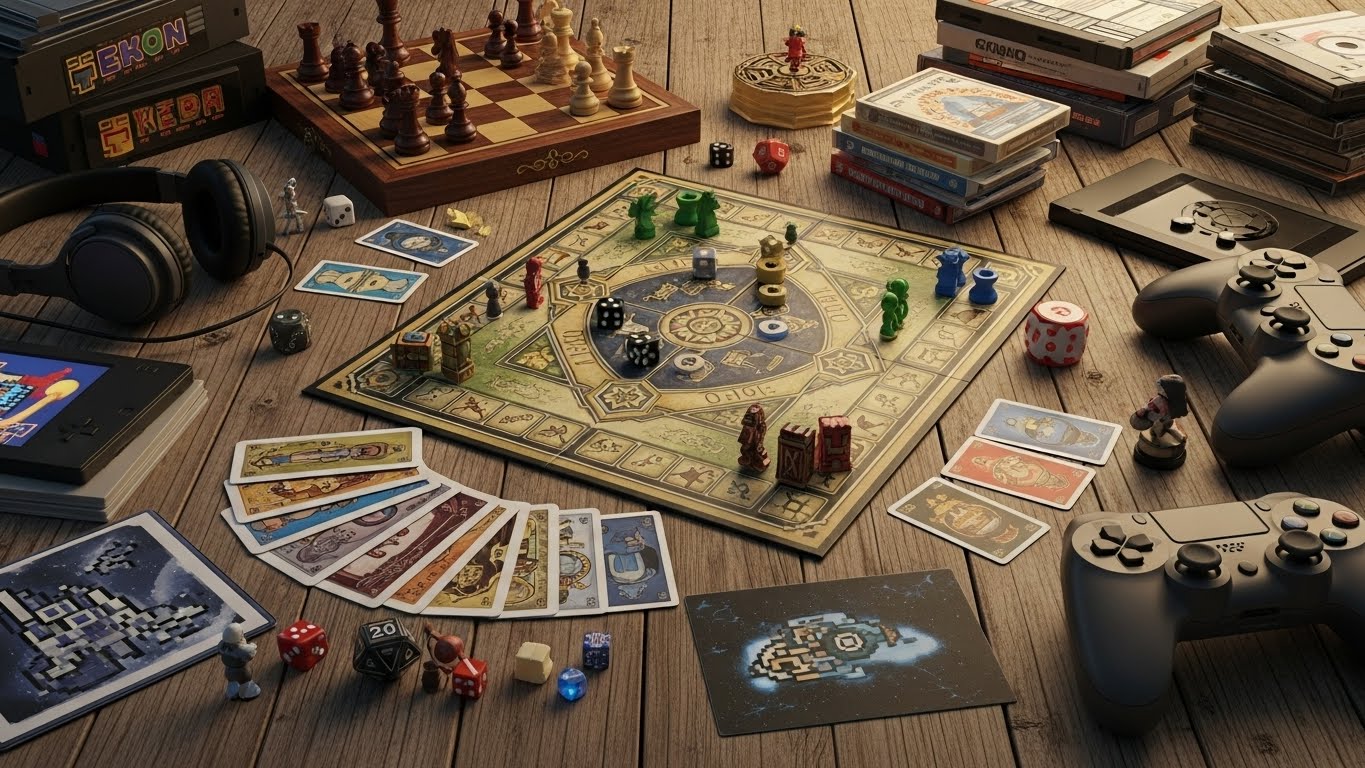
Games have been a cornerstone of human culture for centuries, evolving from simple pastimes to complex digital experiences that captivate millions worldwide. Far beyond mere entertainment, games influence how we think, interact, and learn. They provide immersive experiences that challenge our intellect, test our skills, and create social connections that transcend borders. In this blog, we explore the history of games, their cultural and social significance, the psychological benefits they offer, the rise of competitive gaming, technological innovations shaping the industry, and the future of gaming.
The Origins and Evolution of Games
Games have existed since ancient times, serving as entertainment, social bonding tools, and educational devices. Early civilizations created games like Senet in Egypt, Go in China, and chess in India, each with distinct strategies and rules that mirrored societal values and thinking patterns. These early games not only entertained but also cultivated skills like strategic thinking, patience, and foresight.
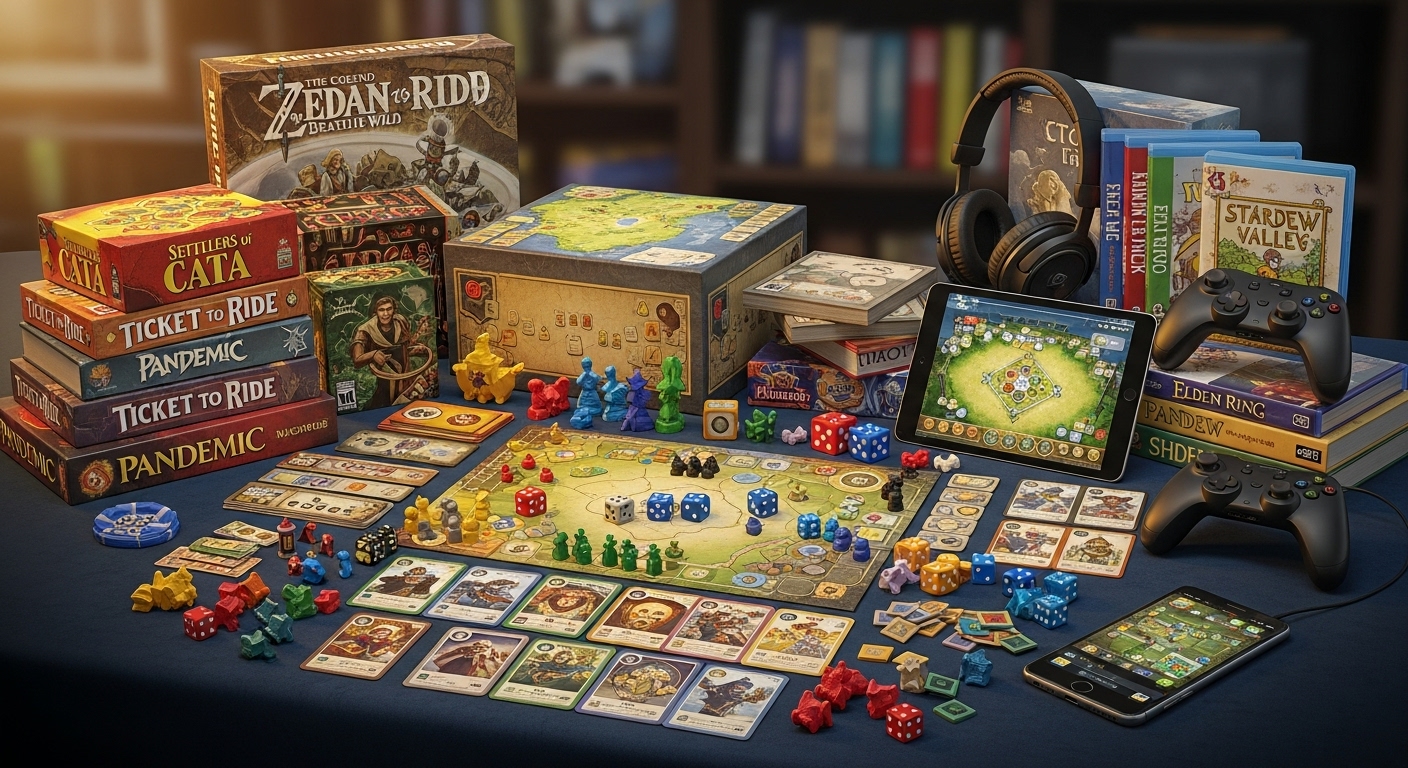
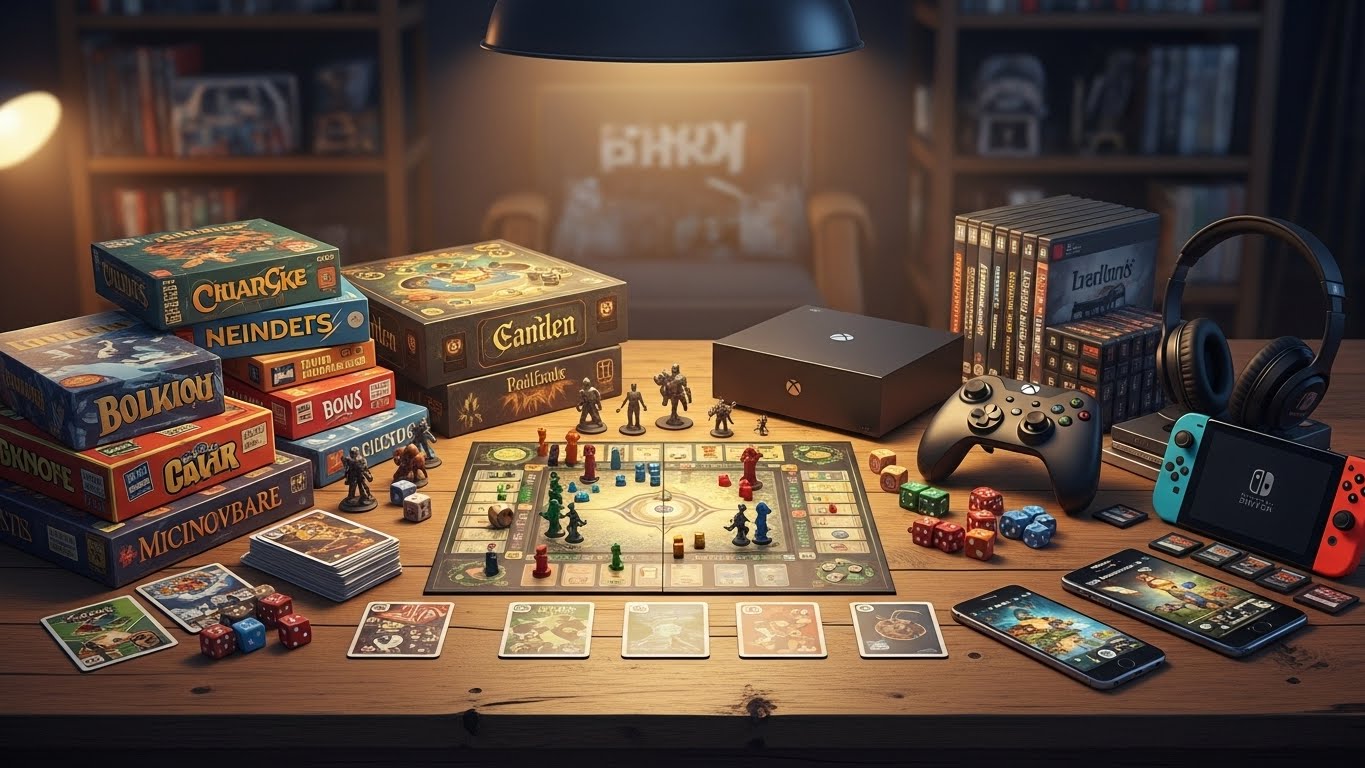
With the invention of modern playing cards, board games, and tabletop games, leisure activities became more accessible to the general public. The 20th century brought video games, which redefined the gaming landscape entirely. Early arcade games such as Pong and Space Invaders introduced interactive digital entertainment, creating an entirely new platform for engagement. As technology evolved, home consoles and personal computers brought gaming into households worldwide, offering more complex narratives, immersive graphics, and multiplayer experiences.
Games as Cultural Phenomena
Games are a reflection of culture and society. They often incorporate elements from mythology, literature, history, and folklore, creating worlds that resonate with players across generations. Iconic characters such as Mario, Link, and Lara Croft have become global symbols, transcending the medium to influence movies, fashion, and art.
Beyond characters, games also serve as storytelling mediums, providing narratives that explore human experiences, moral dilemmas, and social issues. Games like The Last of Us or Life is Strange challenge players to make ethical decisions and consider the consequences of their actions, demonstrating that games can evoke emotion and inspire reflection just as literature and cinema do.
The Social Impact of Gaming
Games foster social connections that extend far beyond the screen. Multiplayer games, online communities, and co-op experiences create spaces where people from different backgrounds come together. These interactions can develop teamwork, leadership, and communication skills, especially in complex strategy or team-based games.
Additionally, gaming serves as a platform for shared experiences. Friends, families, and communities bond over gameplay, celebrating victories and learning from defeats. Online streaming and content creation have amplified this social dimension, allowing players to share experiences with audiences worldwide, turning gaming into a cultural exchange and social connector.
Cognitive and Psychological Benefits of Games
Contrary to outdated stereotypes, games provide numerous cognitive and psychological benefits. Strategy games improve problem-solving skills, decision-making, and resource management, while puzzle and logic games enhance critical thinking and memory. Role-playing games encourage creativity and imagination, as players construct characters, narratives, and solutions to complex scenarios.
Games can also serve as effective stress relievers. Engaging in immersive gameplay provides a temporary escape from daily pressures, allowing players to relax and recharge. Competitive or goal-oriented games offer a sense of achievement, boosting confidence and motivation. Even cooperative games promote empathy and understanding, as players must consider the perspectives and needs of their teammates to succeed.
The Rise of Competitive Gaming
Competitive gaming, or esports, has transformed gaming into a professional and mainstream industry. What began as casual competitions among friends has evolved into global tournaments with massive audiences and prize pools. Games like League of Legends, Dota 2, and Counter-Strike have professional leagues, sponsors, and dedicated fan bases rivaling traditional sports.
Esports has also created new career opportunities, from professional players and coaches to content creators, commentators, and event organizers. Universities and schools now offer scholarships and programs focused on competitive gaming, recognizing the skill, dedication, and strategic thinking required. The rise of esports has elevated games from leisure activities to professional disciplines, inspiring a new generation of players and fans.
Technological Advancements in Gaming
Gaming has consistently driven technological innovation. The demand for realistic graphics, seamless performance, and immersive experiences has influenced hardware, software, and networking technologies. Modern gaming consoles, high-performance PCs, and cloud-based platforms allow players to access visually stunning, interactive worlds.
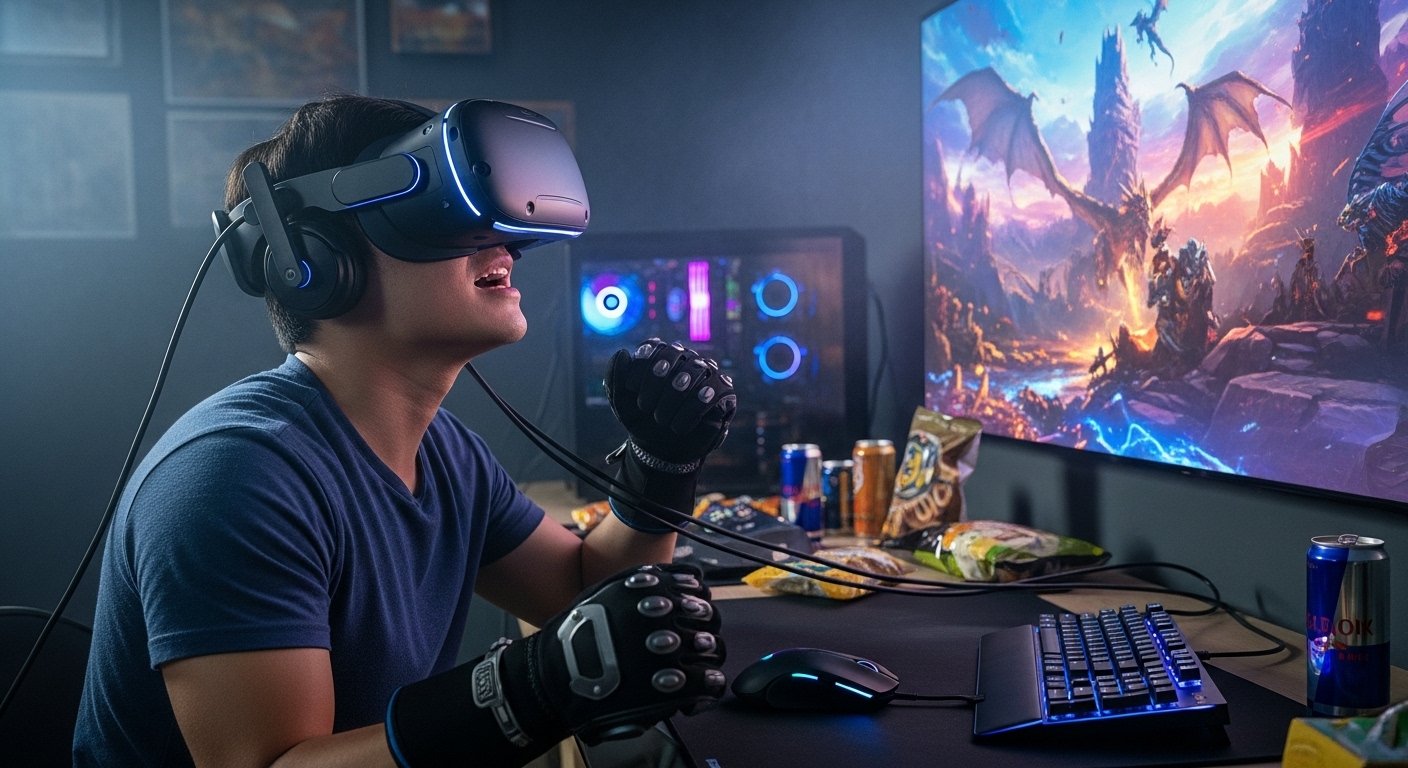
Virtual reality (VR) and augmented reality (AR) have introduced new dimensions to gaming, creating experiences where players can step inside digital environments. Artificial intelligence enables more responsive and dynamic gameplay, while procedural generation creates expansive worlds that feel alive and unique for each player. Streaming technology allows games to reach audiences instantly, breaking geographical and hardware barriers.
Games as Learning Tools
Games are increasingly recognized as effective educational tools. Educational games combine fun with learning, teaching concepts ranging from mathematics and science to history and language. Simulation and strategy games develop practical skills such as planning, resource allocation, and decision-making.
Beyond formal education, games teach life skills. They encourage perseverance through trial and error, develop strategic thinking, and foster social collaboration. Many games also raise awareness of social, environmental, or historical topics, demonstrating that interactive experiences can educate while entertaining.
Games and Creativity
Games are powerful catalysts for creativity. Sandbox games like Minecraft or Roblox allow players to design their own worlds, experiment with mechanics, and develop artistic projects. Story-driven games encourage players to think critically about narratives, character development, and moral choices. Even competitive games foster creativity in strategy and problem-solving.
The gaming industry itself is a hub of creativity. Developers, artists, writers, and designers collaborate to build engaging experiences that captivate players. The creative processes involved in game design often inspire other art forms, from animation to music, illustrating the interconnectedness of creativity across media.
The Future of Gaming
The future of gaming promises even greater innovation and accessibility. Advancements in virtual reality, augmented reality, artificial intelligence, and cloud technology are likely to create experiences that are more immersive, adaptive, and interactive. Cross-platform gaming will allow players to connect seamlessly across devices, while personalized experiences may tailor narratives and challenges to individual preferences.
Social gaming will continue to evolve, with virtual worlds becoming spaces for work, education, and collaboration, in addition to entertainment. Ethical considerations, including inclusivity, accessibility, and responsible monetization, will shape the industry, ensuring that gaming remains a positive and enriching force for diverse audiences.
Conclusion
Games have evolved far beyond simple pastimes. They are cultural artifacts, social connectors, educational tools, creative platforms, and professional disciplines. They challenge our intellect, evoke emotions, and inspire creativity, while connecting players across the globe. As technology advances and the industry grows, gaming will continue to shape modern entertainment and human interaction.
Whether for fun, competition, learning, or artistic expression, games have secured their place as an essential part of contemporary culture. They are not just a form of play; they are a lens through which we understand human creativity, resilience, and connection. The transformative power of games ensures that they will remain a central part of our lives for generations to come.