
Games have been an integral part of human culture for centuries. From ancient board games to the latest video game releases, people have always sought entertainment that challenges, engages, and inspires. But not all games are created equal. Some go beyond the ordinary, offering experiences that are imaginative, innovative, and unforgettable. In this post, we will explore the fascinating world of games that stand out for their creativity, mechanics, and ability to make players think differently.
The Evolution of Games
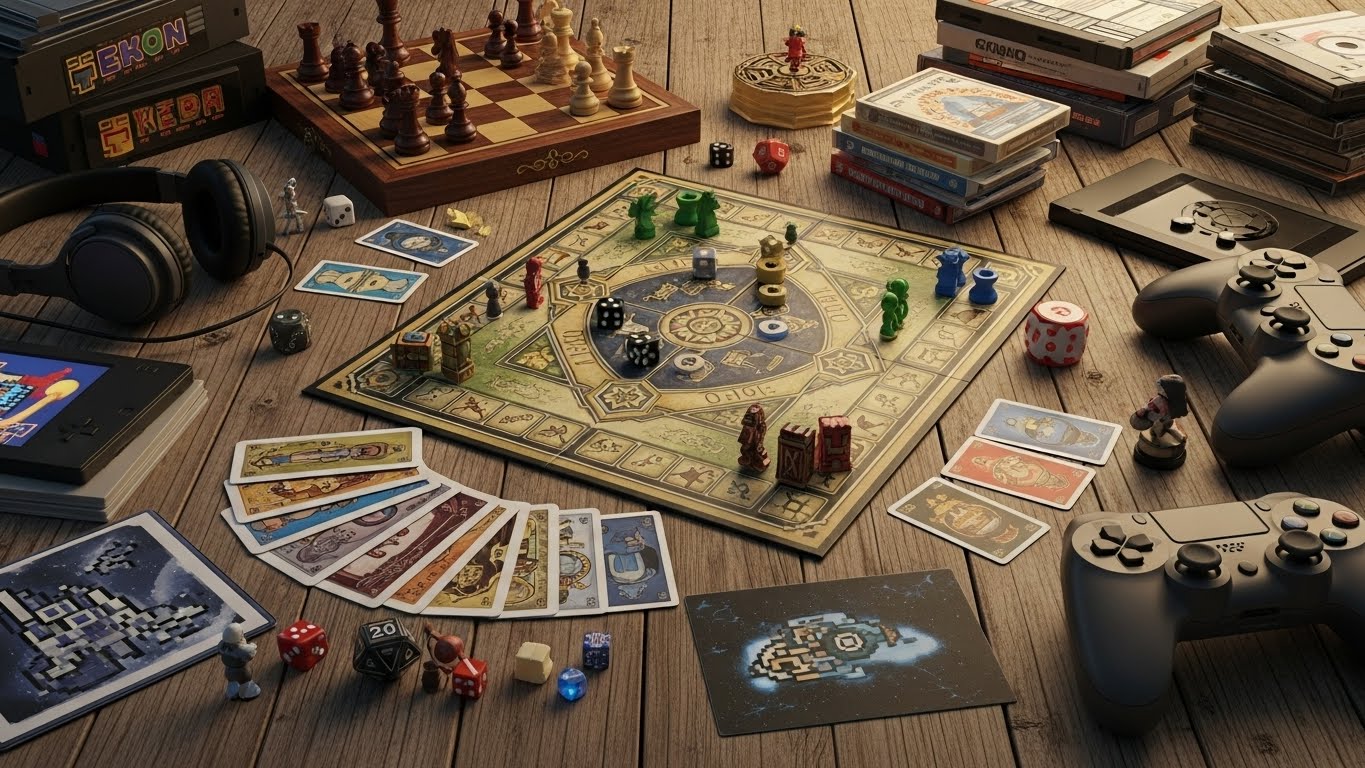
Games have evolved dramatically over time. Traditional games such as chess, checkers, and card games laid the foundation for strategic thinking and social interaction. These games thrived on clear rules, competition, and mental challenge. As technology advanced, games became more immersive and interactive, incorporating sound, graphics, and storytelling. Video games, in particular, opened new doors for creativity, enabling developers to craft entire worlds where players could explore, experiment, and express themselves.
Yet, even within this modern era, some games stand apart. They are not just about winning or losing; they offer a unique perspective, a novel challenge, or a completely different way to interact with the world. These games push the boundaries of what it means to play, blending art, storytelling, and innovative mechanics.
Games That Tell Stories Differently
Storytelling has always been a central element of games. While many games follow linear plots, some take a radically different approach. In these games, the story is not handed to the player but is created through their choices, interactions, and even mistakes.
One of the most remarkable aspects of such games is their ability to adapt to the player’s actions. Every decision can lead to a different outcome, creating a deeply personal experience. Players are no longer mere participants; they become co-creators of the narrative. This approach not only makes each playthrough unique but also encourages players to think critically about their choices, morality, and the consequences of their actions.
Games That Redefine Interaction
Traditional games often have a clear set of rules, boundaries, and interactions. However, some games challenge this notion by redefining how players engage with the environment and each other. For example, games that incorporate real-world elements, augmented reality, or physical movement blur the line between the digital and physical world.
These games transform ordinary spaces into playgrounds of creativity. Players may find themselves solving puzzles in real-world locations, collaborating with strangers, or manipulating physical objects in unconventional ways. This type of interaction makes the gaming experience more immersive, social, and memorable. It also demonstrates how games can extend beyond screens and controllers to influence real-world behavior and perception.
Mechanics That Surprise and Delight
At the heart of any game are its mechanics—the rules and systems that define how players interact with it. While many games rely on familiar mechanics like point scoring, level progression, or turn-based actions, some games surprise players with entirely new systems.
Unique mechanics can transform mundane actions into profound experiences. For instance, some games allow players to manipulate time, gravity, or even language itself to solve puzzles or navigate the world. Others challenge conventional notions of control, giving players indirect influence over outcomes or forcing them to think creatively under constraints. These innovative mechanics not only make the game fun but also encourage players to develop new cognitive skills and perspectives.
Games as Artistic Expression
Games are increasingly being recognized as a form of art. Beyond entertainment, they can convey emotions, provoke thought, and explore complex themes. Artistic games often prioritize atmosphere, aesthetics, and narrative over traditional gameplay objectives.
In these games, every visual, sound, and interaction is meticulously designed to evoke a specific feeling or idea. Players may explore surreal landscapes, engage with abstract concepts, or experience stories that mirror real-life struggles. This approach transforms games into a medium of expression that rivals literature, film, and visual arts. By merging interactivity with artistic vision, these games offer a unique and deeply personal experience that leaves a lasting impression.
The Appeal of Cooperative and Social Games
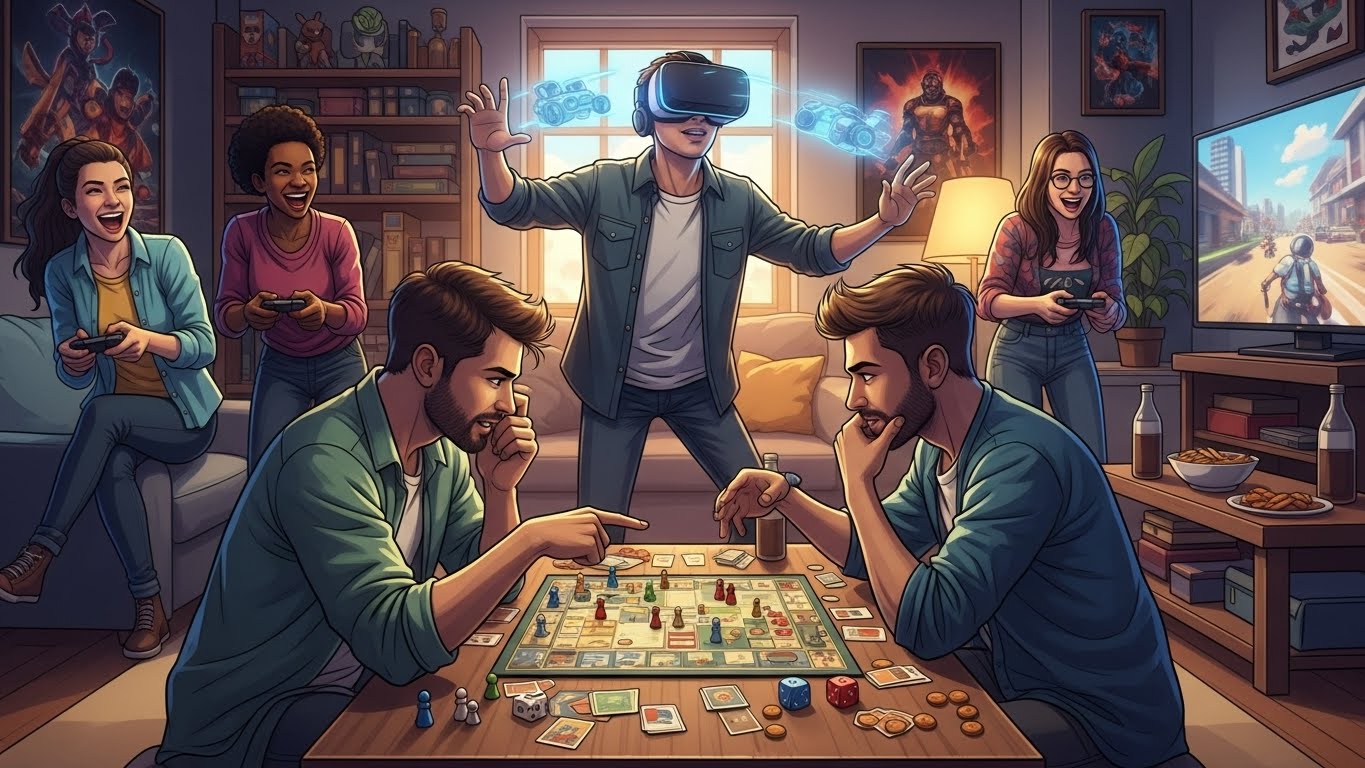
While many games emphasize competition, some of the most unique experiences come from cooperation and collaboration. Cooperative games challenge players to work together, strategize, and communicate effectively to achieve shared goals.
The beauty of these games lies in their emphasis on teamwork rather than rivalry. Players often develop bonds, share experiences, and learn from one another in ways that single-player or competitive games cannot provide. Moreover, some games incorporate social mechanics in innovative ways, encouraging players to negotiate, form alliances, or even create entire communities. These interactions extend the gaming experience beyond mere gameplay, fostering connection and empathy among participants.
Games That Challenge Reality
Some of the most intriguing games challenge players’ perception of reality. They introduce mechanics, narratives, or environments that defy conventional logic, prompting players to question their assumptions and think in unconventional ways.
These games often incorporate elements of mystery, ambiguity, or surrealism, creating a sense of wonder and discovery. Players may encounter worlds where physics behaves unpredictably, stories unfold non-linearly, or characters behave in unexpected ways. By disrupting expectations, these games encourage creative thinking and experimentation, transforming play into a form of exploration and discovery.
The Future of Unique Gaming Experiences
The gaming landscape continues to evolve, driven by technological advancements, creative vision, and player curiosity. Emerging technologies such as virtual reality, artificial intelligence, and procedural generation promise to make games even more immersive, personalized, and innovative.
Future games may adapt dynamically to players’ emotions, create infinite worlds to explore, or even allow players to shape the rules of reality itself. As developers push the boundaries of interactivity and creativity, players will continue to experience games that surprise, challenge, and inspire. The potential for unique gaming experiences is virtually limitless, making the future of gaming an exciting frontier for both creators and players.
Conclusion: The Magic of Unique Games
Games that break the mold remind us why play is such a powerful and enduring human activity. They challenge our assumptions, ignite our imagination, and foster connection. Whether through innovative mechanics, immersive storytelling, or artistic expression, these games offer experiences that linger long after the screen goes dark or the dice are put away.
In a world where entertainment options are endless, the games that stand out are those that dare to be different. They are not just diversions; they are experiences that engage the mind, touch the heart, and expand the imagination. For players and creators alike, these games represent the boundless potential of human creativity and the joy of discovery.
As we continue to explore the ever-evolving world of gaming, one thing is clear: the most memorable games are those that challenge, surprise, and inspire. They remind us that play is not just a pastime but a way to experience life in new and extraordinary ways.