
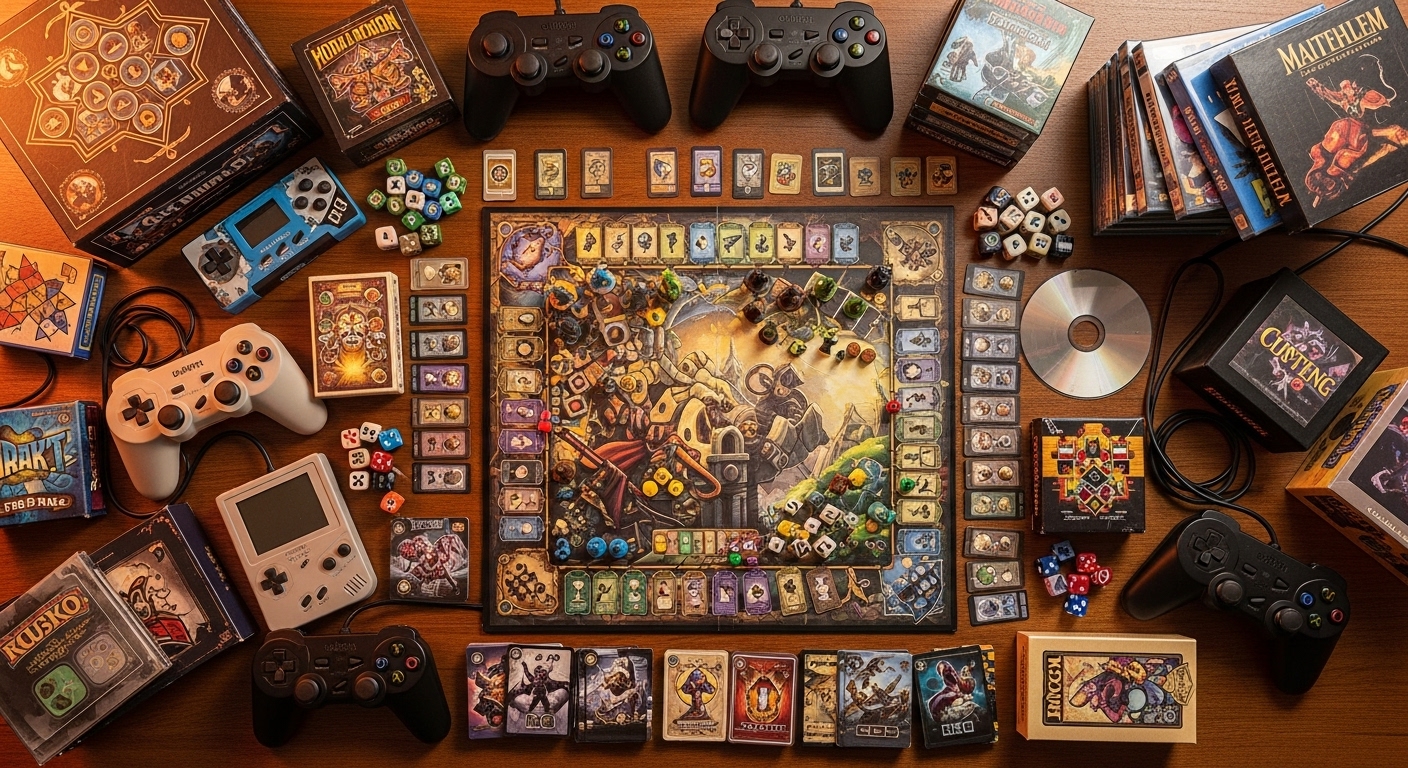
Video games have become more than just a source of entertainment. They are an evolving form of storytelling, art, and interactive creativity. While blockbuster titles often dominate the spotlight, the gaming world is brimming with unique games that offer unconventional experiences, challenge norms, and invite players into worlds they’ve never imagined. In this post, we dive into the fascinating realm of unique games, exploring what makes them stand out, some memorable examples, and why they deserve attention from players and critics alike.
Defining Unique Games
When we talk about unique games, we are referring to games that differentiate themselves from traditional mainstream gaming experiences. These games often break away from predictable mechanics, typical storylines, or conventional design aesthetics. They might offer:
- Innovative gameplay mechanics that redefine player interaction.
- Art styles that stray from hyper-realistic or standard cartoonish visuals.
- Storytelling approaches that challenge narrative expectations.
- Experimental sound design and music that enhance immersion in unexpected ways.
The hallmark of a unique game is its ability to surprise players and create a memorable experience that stays with them long after they have finished playing.
Why Players Seek Unique Games
Many players are drawn to unique games for reasons that go beyond mere curiosity. Some of the key motivators include:
- Fresh Challenges: Traditional games often follow established formulas. Unique games break these patterns, offering fresh challenges and requiring players to think differently.
- Emotional Impact: Innovative games often explore themes or emotions that mainstream games might shy away from. They can make players feel joy, sorrow, confusion, or wonder in new ways.
- Artistic Appreciation: For some, gaming is not just about gameplay but an art form. Unique games provide a canvas for creativity, where players can appreciate visuals, music, and story in ways similar to fine art or cinema.
- Replay Value: Because of their unconventional mechanics and designs, many unique games offer replay experiences that change with each playthrough, giving them lasting appeal.
Unique games cater to the adventurous spirit of players who want to explore the boundaries of what a game can be.
Examples of Unique Games and What Makes Them Stand Out
Journey: A Wordless Masterpiece
Journey is a prime example of how a game can communicate profound emotion without using a single word. The game immerses players in a vast desert landscape where they control a robed traveler heading toward a distant mountain. The unique multiplayer component allows players to encounter other travelers along the way, but communication is limited to musical chimes. This design choice fosters a sense of connection without words, creating an emotional resonance that few games achieve.
The game’s minimalist art, dynamic music, and fluid movement mechanics combine to deliver an experience that is meditative, emotional, and unforgettable. Journey demonstrates that simplicity, when executed creatively, can be profoundly impactful.
Papers, Please: Ethics in the Bureaucracy
Papers, Please turns mundane bureaucracy into a compelling and morally challenging experience. Players assume the role of an immigration officer at a border checkpoint, tasked with reviewing documents and deciding who enters a fictional country. What makes this game unique is its moral tension. Each decision has consequences: allowing the wrong person in can have dire effects on the country, while turning away someone may cause personal tragedy.
The game challenges players to weigh ethics, efficiency, and empathy, all while managing resources and facing personal dilemmas. Papers, Please is a prime example of how games can transform routine activities into thought-provoking experiences.
Katamari Damacy: The Joy of Rolling Everything
Katamari Damacy defies conventional logic in a wonderfully whimsical way. Players control a small character tasked with rolling a sticky ball, called a Katamari, to collect objects in the environment. The more items the Katamari picks up, the bigger it grows, eventually allowing players to collect increasingly large objects, including cars, buildings, and even entire continents.
The game’s absurd premise, quirky art style, and cheerful soundtrack combine to create an unforgettable experience that celebrates joy and creativity. Katamari Damacy shows that games do not always need to be serious to be meaningful or memorable.
The Stanley Parable: Choice and Absurdity
The Stanley Parable is a unique exploration of narrative, choice, and player agency. Players control Stanley, a character working in an office, as a narrator describes his actions. What makes the game stand out is the interplay between player choices and the narrator’s commentary. Players can either follow the narrator’s guidance or deliberately go against it, triggering different story outcomes.
The Stanley Parable is a meta-commentary on gaming itself, questioning free will, narrative conventions, and the illusion of choice. Its clever writing, humor, and philosophical undertones make it a standout example of innovative storytelling in games.
Return of the Obra Dinn: Puzzle and Deduction
Return of the Obra Dinn is a visually striking game where players investigate the fate of a missing ship’s crew. Its unique monochrome, sketch-like art style immediately sets it apart from other games. Players must use deductive reasoning to determine the cause of each crew member’s demise, piecing together information from limited clues.
The combination of investigative gameplay, historical setting, and distinct visuals makes Return of the Obra Dinn a masterclass in creativity and attention to detail. It proves that games can be intellectually challenging while remaining highly engaging.
The Role of Indie Developers in Creating Unique Games
Indie developers often lead the charge in crafting unique games. Unlike large studios, which may focus on market trends and revenue-driven design, indie developers have the freedom to experiment and take risks. This freedom allows them to explore unconventional mechanics, storytelling approaches, and artistic styles.
Some of the most celebrated unique games originate from indie studios, highlighting how creativity often thrives outside mainstream pressures. The rise of digital distribution platforms has further empowered these developers, making it easier for players worldwide to access innovative gaming experiences.
Challenges Faced by Unique Games
While unique games are celebrated for creativity, they also face challenges:
- Market Visibility: Without the marketing budgets of major franchises, unique games often struggle to reach a broad audience.
- Player Expectations: Gamers accustomed to traditional mechanics may find unconventional gameplay confusing or frustrating.
- Financial Risk: Experimental design carries inherent financial risk, making it difficult for developers to secure funding.
- Critical Reception: Unique games may polarize critics, as innovation can be divisive and subjective.
Despite these challenges, the success of unique games demonstrates that there is a dedicated audience eager to embrace creativity and originality.
Why Unique Games Matter in the Industry
Unique games serve a vital purpose in the gaming ecosystem. They push boundaries, inspire other developers, and expand the definition of what a game can be. By challenging conventions, these games drive innovation and creativity, which ultimately benefits players and the industry as a whole.
Moreover, unique games often tackle themes and ideas that mainstream titles may avoid. They can explore existential questions, ethical dilemmas, or abstract concepts, proving that games are capable of being more than entertainment—they can be art, education, and cultural commentary.
Conclusion: Embracing the Uncharted
The world of gaming is vast and full of possibilities, and unique games are its most exciting frontiers. From whimsical adventures to morally complex simulations, these games remind us that the medium is capable of far more than repetitive action or predictable storytelling. They challenge players to think differently, feel deeply, and explore creatively.
For gamers seeking new experiences, unique games offer an invitation to step off the beaten path and embrace the unexpected. They are a testament to the power of creativity, innovation, and passion in the gaming industry. The next time you pick up a controller or boot up a PC, consider venturing into a game that dares to be different. The journey promises to be unforgettable.