
Introduction: Why Games Matter
Games have been an essential part of human culture for thousands of years. From ancient board games carved in stone to modern video games on sophisticated consoles, games are more than just entertainment—they are tools for learning, creativity, and social interaction. Games stimulate the mind, challenge skills, and foster community. In today’s digital age, games have grown into a global industry with billions of players, professional competitions, and cultural influence. This blog explores the history, evolution, impact, and future of games in society.
The Origins of Gaming
Games are as old as civilization itself. Ancient civilizations created games to teach strategy, prepare for battle, and entertain. In Mesopotamia, board games like the Royal Game of Ur were played thousands of years ago. Ancient Egyptians enjoyed Senet, while the Greeks competed in games of skill and strategy. These early games were more than pastimes; they reflected societal values and offered mental challenges that improved critical thinking and decision-making.
With time, games became more structured. Chess, developed in India and refined in Europe, became a symbol of strategy, intellect, and foresight. Card games and tabletop games emerged, allowing people to socialize, compete, and develop patience and creativity. The evolution of these games laid the groundwork for the sophisticated digital experiences we enjoy today.
The Rise of Video Games
The modern gaming era began with the development of video games in the 1970s and 1980s. Early arcade games like Pong, Space Invaders, and Pac-Man introduced digital play to the masses. Home consoles such as the Atari and Nintendo Entertainment System brought gaming into households, allowing people to play anytime.
Video games evolved rapidly, incorporating better graphics, complex storylines, and multiplayer features. Games like Super Mario, The Legend of Zelda, and Sonic the Hedgehog set new standards for entertainment, creativity, and engagement. Over time, video games became a mainstream cultural phenomenon, attracting players of all ages and backgrounds.
The Psychological Benefits of Gaming
Gaming is not only entertaining but also has cognitive benefits. Strategic games improve problem-solving, planning, and decision-making skills. Puzzle games enhance memory and attention, while role-playing games stimulate creativity and critical thinking.
Games also provide emotional benefits. They offer stress relief, encourage persistence through challenging tasks, and build confidence as players master new skills. Multiplayer games foster collaboration, communication, and teamwork, providing a sense of belonging and social interaction in digital communities.
Social Interaction and Community
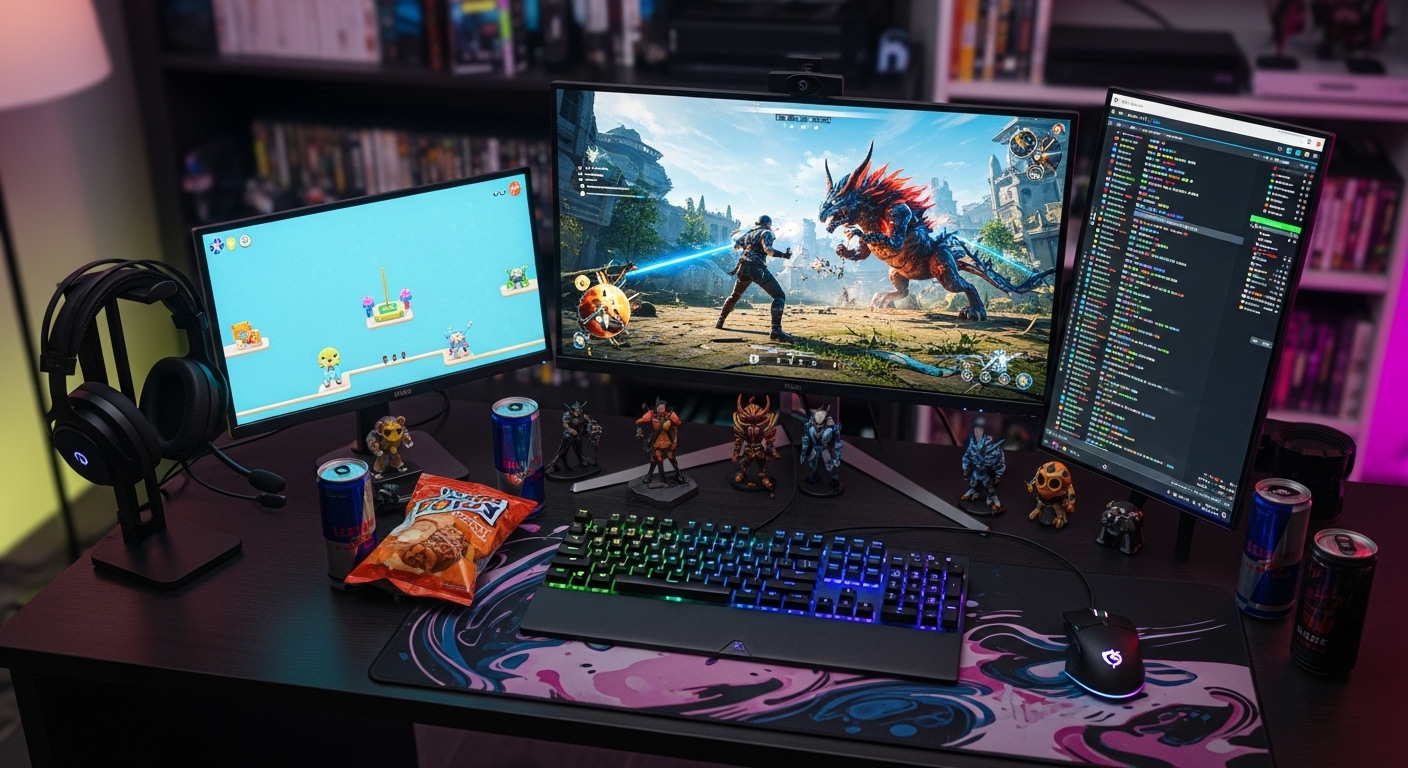
Games have always been social, even in the digital era. Multiplayer video games, online communities, and gaming events bring people together from around the world. Players form teams, compete in tournaments, and share experiences on forums and streaming platforms.
Board games and tabletop games continue to encourage face-to-face interaction. They strengthen bonds among family and friends, teach sportsmanship, and promote empathy. Gaming communities, both digital and physical, create inclusive spaces where individuals share passions, celebrate achievements, and collaborate on strategies.
The Evolution of Mobile Gaming
Mobile gaming has transformed the gaming landscape by making play accessible to nearly everyone. Smartphones and tablets allow people to engage in games anytime and anywhere. Titles like Angry Birds, Candy Crush, and Pokémon Go have attracted millions of players worldwide.
Mobile games combine casual play with addictive mechanics, offering short bursts of entertainment that fit modern lifestyles. They also encourage social interaction through leaderboards, cooperative gameplay, and online challenges. Mobile gaming has expanded the gaming audience significantly, including people who may never have engaged with traditional consoles or PCs.
Esports: Competitive Gaming at Its Peak
Esports has brought gaming into the competitive spotlight. Professional gamers and teams compete in tournaments for massive prize pools, attracting millions of spectators globally. Games like League of Legends, Dota 2, and Counter-Strike have become major international events.
Esports players train rigorously, just like traditional athletes, developing strategies, reflexes, and teamwork skills. The rise of esports has created new career opportunities, from professional players and coaches to broadcasters and analysts. It has also legitimized gaming as a serious and respected form of competition.
The Role of Technology in Gaming
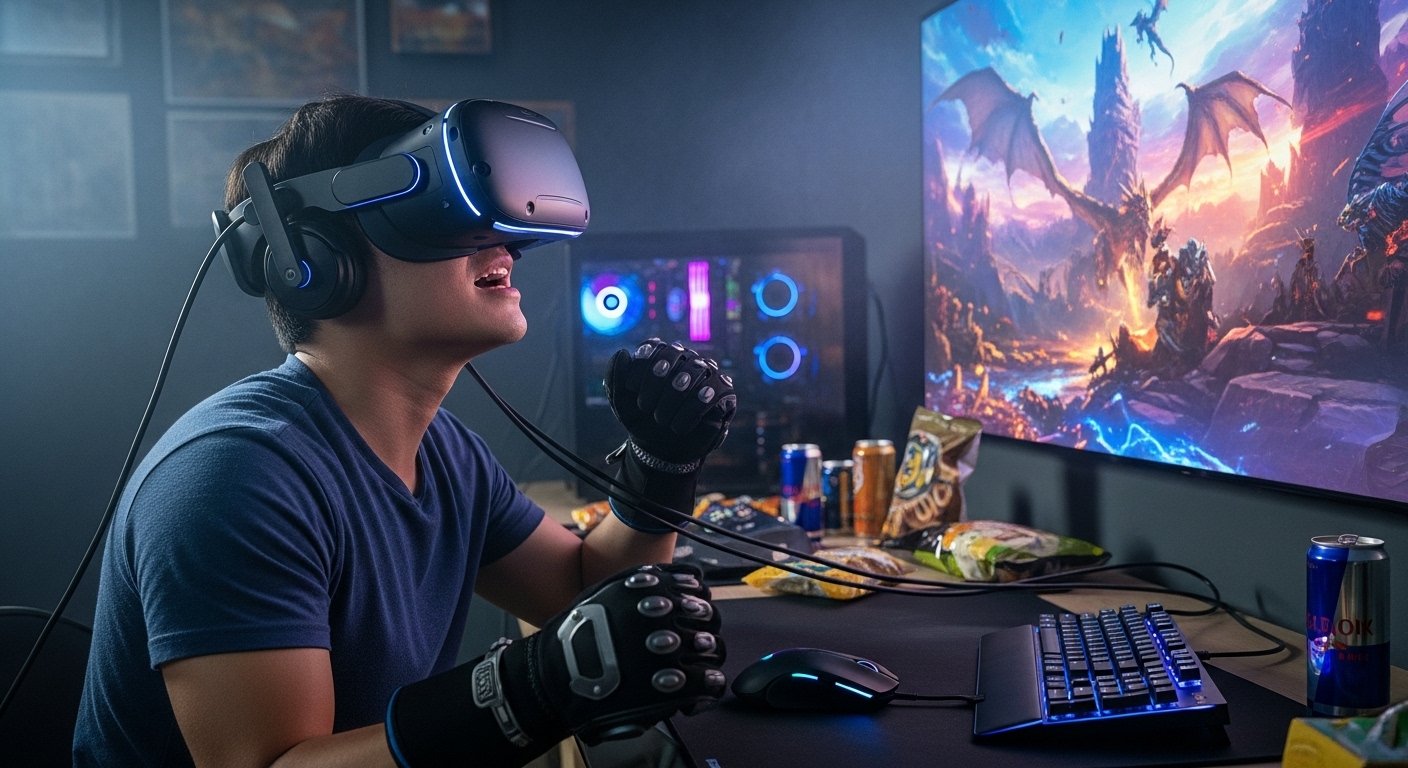
Technology drives the evolution of games. Advanced graphics, virtual reality, and augmented reality create immersive experiences that were unimaginable decades ago. Artificial intelligence enhances gameplay by creating challenging opponents and adapting to player behavior.
Cloud gaming allows people to play high-quality games without expensive hardware, democratizing access. Motion-sensing controllers, haptic feedback, and other innovations make gaming more interactive and physically engaging. Technology ensures that the gaming experience continues to grow in depth, realism, and engagement.
Games as Storytelling
Modern games are not just about challenges and scores; they are vehicles for storytelling. Role-playing games, adventure games, and narrative-driven titles immerse players in complex worlds with compelling characters and storylines. Games like The Witcher, Final Fantasy, and Red Dead Redemption showcase how interactive storytelling can rival literature and cinema in depth and emotional impact.
Games allow players to make choices that affect the narrative, giving them a sense of agency and connection to the story. This interactivity is unique to games and adds layers of engagement that traditional storytelling cannot replicate.
Cultural Impact of Gaming
Gaming influences culture in multiple ways. Iconic characters, music, and narratives from games become part of mainstream media. Merchandise, movies, and fan communities extend the impact of gaming beyond screens.
Gaming also encourages creativity and innovation. Players learn digital skills, programming, graphic design, and strategy through engagement with games. The global gaming industry contributes to the economy through job creation, events, and technological development.
Educational and Skill-Building Games
Games have applications beyond entertainment. Educational games teach math, science, language, and critical thinking. Simulation games help players understand real-world scenarios such as business, city planning, or environmental management.
Serious games in healthcare, military training, and professional development demonstrate that games can be powerful tools for learning. They engage players actively, making knowledge retention more effective compared to traditional teaching methods.
The Business of Gaming
The gaming industry is a multi-billion-dollar global enterprise. Revenue comes from console and PC sales, mobile games, subscriptions, in-game purchases, and esports. Companies invest in marketing, technology, and events to reach growing audiences.
Gaming has created a vast ecosystem of professionals, including developers, designers, marketers, analysts, and content creators. The industry’s growth has also sparked entrepreneurship, with independent developers producing innovative games that rival mainstream titles.
The Future of Gaming
The future of gaming is full of possibilities. Virtual reality and augmented reality will make experiences even more immersive. Artificial intelligence will create smarter opponents and adaptive gameplay. Cloud-based and streaming technologies will expand access, allowing anyone with an internet connection to play high-quality games.
Games will continue to integrate social, educational, and professional applications. As gaming becomes increasingly mainstream, it will shape how people interact, learn, and entertain themselves globally.
Why Games Will Always Matter
Games matter because they combine entertainment, learning, and social engagement. They challenge minds, foster creativity, and build communities. Games reflect culture, teach resilience, and allow individuals to explore new worlds and ideas.
In a fast-paced world, games provide spaces to connect, compete, and unwind. They transcend language, geography, and age, making them a universal human experience. Whether through casual play, competitive esports, or immersive storytelling, games have become an integral part of modern life.
Conclusion
The world of games is vast, dynamic, and continually evolving. From ancient board games to the latest digital innovations, games entertain, educate, and connect people globally. The gaming industry has grown into a cultural and economic powerhouse, influencing media, technology, and social interactions.
As technology advances, games will become more immersive, interactive, and accessible. They will continue to shape entertainment, education, and global culture. Games are more than a pastime; they are a reflection of human creativity, intelligence, and community, proving that play is a timeless and universal part of life.