Introduction
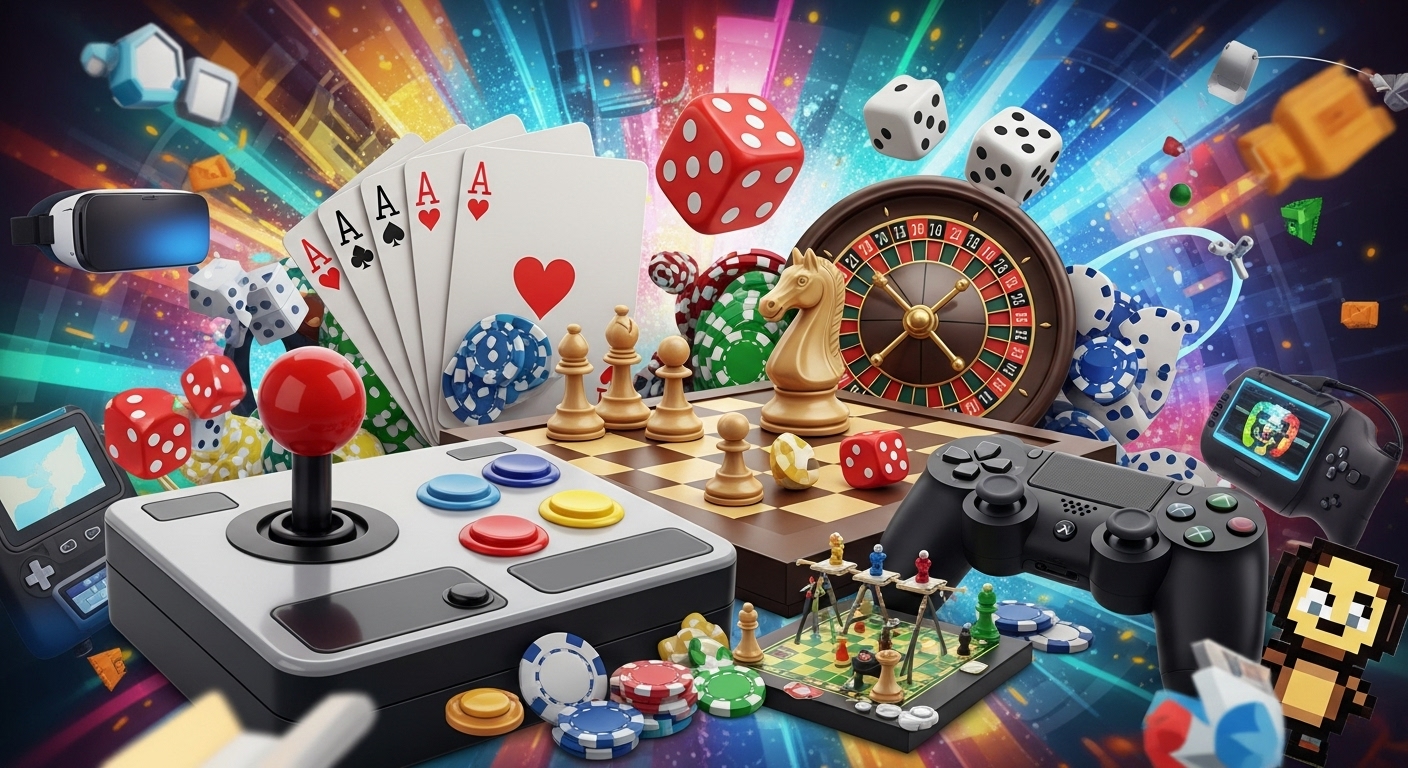
Games have always been a fundamental part of human culture. From ancient board games carved in stone to immersive virtual worlds powered by advanced technology, the concept of play has evolved alongside humanity itself. Games entertain, challenge, teach, and connect people across generations and borders. In today’s digital age, gaming has become more than just a leisure activity—it is a global phenomenon that influences culture, education, social interaction, and even mental health.
This blog explores the fascinating world of games—their history, evolution, psychological impact, and the reasons they continue to captivate billions of people worldwide. We will delve into different types of games, from traditional to digital, and uncover how they shape both individual development and modern society.
The Origins of Gaming
The history of gaming stretches back thousands of years. Archaeologists have discovered ancient gaming artifacts in places like Egypt, Mesopotamia, and China. Games such as Senet, Go, and Chess were not only forms of entertainment but also reflections of cultural and intellectual expression.
Senet, one of the oldest known board games, was played in ancient Egypt over 5,000 years ago. It was believed to represent the journey of the soul through the afterlife. Similarly, Go, originating in ancient China, emphasized strategy, patience, and mental discipline. Chess, with its complex tactics, became a symbol of intelligence and competition in medieval Europe and remains one of the most recognized games in the world.
These early games show that even in ancient civilizations, humans used play as a means of learning, socializing, and exercising strategic thinking—values that continue to define games today.
The Rise of Modern Games
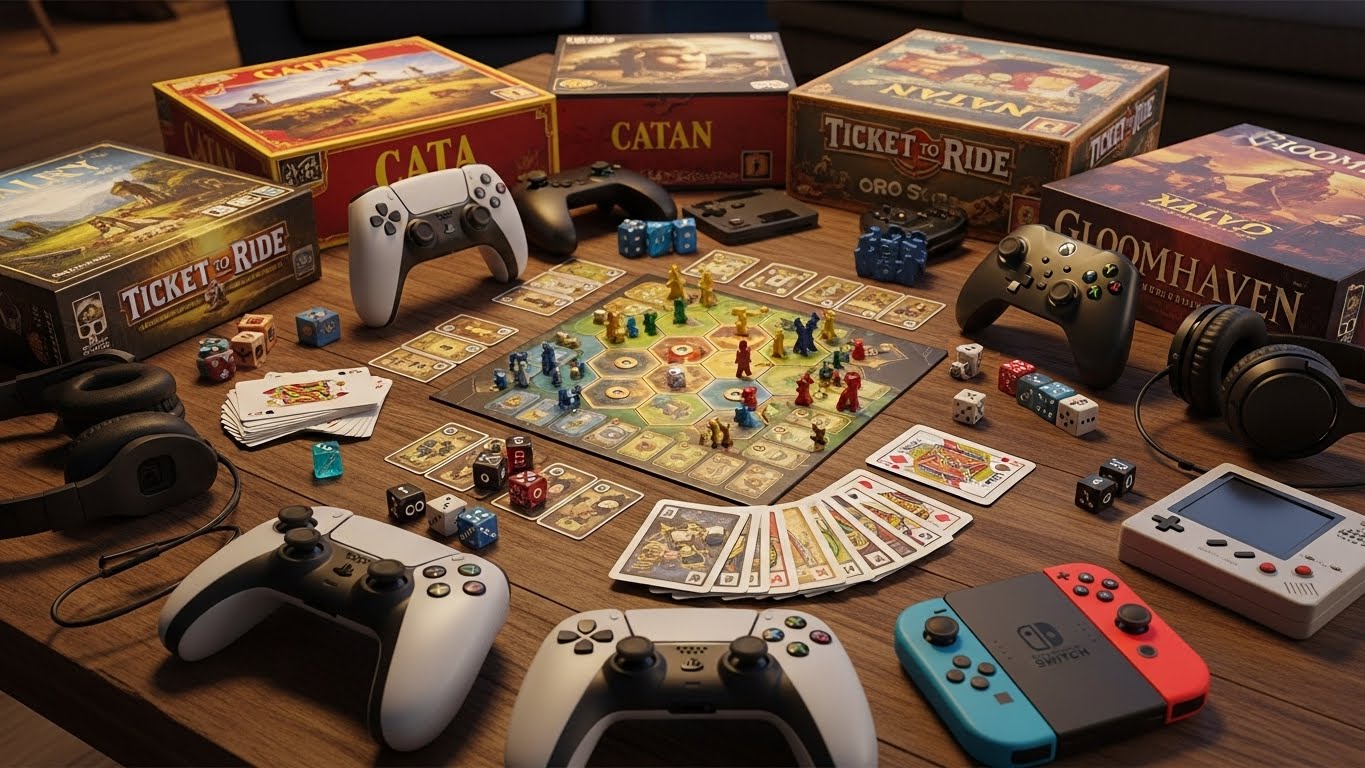
The 20th century marked a major shift in the gaming landscape. The invention of cards, dice, and later board games like Monopoly, Scrabble, and Clue made gaming a central activity in homes around the world. These games encouraged family bonding and friendly competition while sharpening skills like vocabulary, critical thinking, and financial management.
Then came the digital revolution. In the 1970s and 1980s, the rise of video games transformed the concept of play. Games like Pong, Space Invaders, and Pac-Man introduced electronic entertainment to the masses. These simple arcade experiences soon evolved into complex, story-driven adventures as technology advanced.
The introduction of home consoles like the Atari, Nintendo Entertainment System, and PlayStation brought gaming into living rooms everywhere. What was once a niche hobby became a dominant form of entertainment that would continue to grow exponentially.
The Age of Digital Gaming
Today, gaming is a vast universe that extends far beyond traditional consoles. We live in a world where mobile games, virtual reality, and cloud gaming platforms allow users to play anywhere, anytime. The accessibility of smartphones has brought gaming to millions who may never have touched a console or PC. Titles like Candy Crush, Clash of Clans, and PUBG have shown how mobile gaming can be both social and addictive.
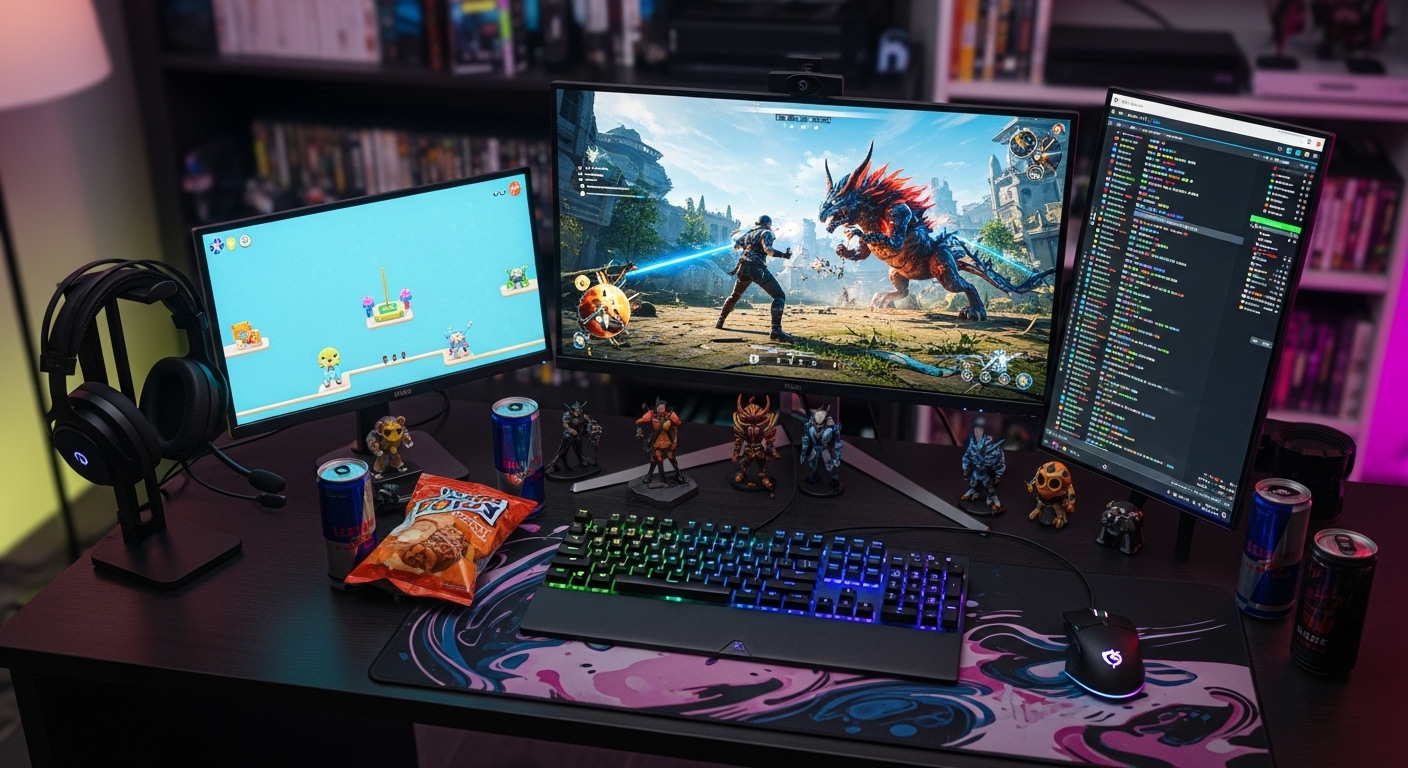
Meanwhile, the PC and console markets continue to thrive with immersive, cinematic experiences. Modern titles feature realistic graphics, complex storytelling, and multiplayer modes that connect players across continents. Esports tournaments now attract millions of viewers, and professional gamers compete for prizes worth millions of dollars.
This digital evolution has transformed gaming from a solitary pastime into a global industry that combines technology, creativity, and community.
The Psychology of Play
Why do people play games? The answer lies in psychology. Games appeal to fundamental human needs—achievement, exploration, competition, and connection. They give us goals to pursue, challenges to overcome, and rewards to earn.
When we play, our brains release dopamine, a chemical associated with pleasure and motivation. This reinforces positive behavior, making games highly engaging. Strategy games challenge our logic and planning abilities, while adventure games stimulate creativity and curiosity. Even simple puzzle games improve memory and cognitive flexibility.
Beyond mental benefits, games can also promote emotional well-being. They offer an escape from reality, allowing players to relax, relieve stress, or immerse themselves in imaginative worlds. Cooperative games encourage teamwork and empathy, while competitive games build resilience and focus.
The Educational Value of Games
Contrary to old stereotypes, games are not just mindless entertainment. Many are powerful educational tools that teach valuable skills and knowledge. Educational games, or “edutainment,” are now used in schools to make learning interactive and fun.
Games can teach problem-solving, mathematics, language, and history in ways that engage students more effectively than traditional lessons. Simulation games like city builders or business management titles encourage strategic thinking and resource management. Historical games immerse players in past events, helping them understand cultures and timelines through interactive storytelling.
Moreover, serious games—those designed for training or awareness—are being used in professional fields like medicine, military, and aviation. For example, surgeons use virtual simulations to practice procedures safely, while pilots train in flight simulators to prepare for real-world scenarios.
Social Connection Through Gaming
One of the most significant transformations in gaming has been the rise of online communities. Multiplayer and social gaming platforms connect people across the globe, turning games into shared experiences rather than solitary ones.
Gamers form friendships, join clans, and participate in online events. Games like Fortnite, Minecraft, and Among Us have become virtual social spaces where people collaborate, compete, and communicate. This sense of connection became even more important during global lockdowns, as gaming offered a way for people to stay in touch and maintain social interaction.
In many ways, modern gaming communities resemble traditional social clubs, where shared interests bring people together. The inclusivity and diversity of these spaces continue to grow, welcoming players from all walks of life.
The Economic Power of the Gaming Industry
The gaming industry has grown into one of the most profitable entertainment sectors in the world. It surpasses the combined revenue of the film and music industries, proving how influential gaming has become in the modern economy.
Game development studios, designers, artists, writers, and programmers form the backbone of this booming industry. Streaming platforms and esports organizations have also opened new career paths for gamers, content creators, and influencers. The success of gaming has encouraged innovation in hardware, software, and storytelling, pushing the boundaries of what technology can achieve.
This economic power also impacts local economies, with gaming events, conventions, and tournaments attracting tourism and generating revenue for cities worldwide.
Challenges in the Gaming World
Despite its many positives, gaming also faces challenges. Concerns about addiction, screen time, and online toxicity have become common discussions among parents, educators, and policymakers. Excessive gaming can lead to physical inactivity, disrupted sleep, and social isolation if not balanced properly.
Additionally, issues such as cyberbullying, cheating, and data privacy require ongoing attention. Developers and communities are increasingly promoting responsible gaming practices, parental controls, and educational awareness to ensure a safe and healthy gaming environment.
Another concern is accessibility. Not everyone has equal access to gaming due to economic or physical barriers. Fortunately, developers are working to make games more inclusive, introducing features like customizable controls, subtitles, and adaptive devices to help people with disabilities enjoy the experience.
The Future of Gaming
As technology continues to advance, the future of gaming looks limitless. Virtual reality, augmented reality, and artificial intelligence are set to redefine the boundaries of interactive entertainment. Imagine exploring entire virtual worlds through a headset, where every action feels real and every story adapts to your choices.
The concept of the metaverse—a shared digital space where players can live, work, and play—is also gaining momentum. In the future, gaming could merge with social media, e-commerce, and education, creating a seamless digital lifestyle.
Artificial intelligence will further enhance gaming experiences by generating smarter opponents, dynamic environments, and adaptive storytelling. Cloud gaming will allow anyone with an internet connection to access high-quality games without expensive hardware.
In short, the future of gaming will not only entertain but also innovate how humans interact with technology.
The Cultural Impact of Games
Games are now an integral part of global culture. They influence fashion, art, film, and even language. Iconic characters like Mario, Sonic, and Lara Croft have become cultural symbols recognized across generations. Music and design from games inspire artists worldwide, and gaming-inspired movies and TV shows attract massive audiences.
Gaming has also become a form of storytelling as powerful as literature and cinema. Many games explore deep emotional themes, moral choices, and philosophical questions, engaging players on a personal level. This narrative power allows games to connect people through shared experiences and emotions.
Conclusion
Games have journeyed from ancient stones and wooden boards to breathtaking digital universes, evolving into a powerful force that shapes entertainment, education, and human connection. They reflect the creativity, curiosity, and resilience of humankind.
Whether played on a board, a console, or a mobile device, games remain a universal language that transcends age, culture, and geography. They teach us to think strategically, dream boldly, and collaborate meaningfully.
As technology continues to advance, gaming will only grow richer and more immersive, offering endless possibilities for fun, learning, and connection. The power of play is more than just recreation—it is a reflection of who we are and a glimpse of the future we are building, one game at a time.